

Treaty Signed: New Zealand Becomes British Colony
Captain William Hobson and roughly forty Maori chiefs signed the Treaty of Waitangi on February 6, 1840, establishing British sovereignty over New Zealand while guaranteeing Maori chiefs 'full exclusive and undisturbed possession' of their lands, forests, and fisheries. The treaty existed in two versions, English and Maori, and the translations did not match. The English version ceded sovereignty to the Crown; the Maori version used the word 'kawanatanga' (governance), which Maori chiefs understood as granting administrative authority while retaining their own 'rangatiratanga' (chieftainship). This translation gap became the fault line for 180 years of conflict. British settlers arrived in massive numbers, and within decades, confiscation, fraudulent purchases, and armed conflicts stripped Maori of most of their land. The Waitangi Tribunal, established in 1975, continues to adjudicate treaty grievances. February 6 is New Zealand's national day.
February 6, 1840
186 years ago
Key Figures & Places

United Kingdom
Wikipedia

New Zealand
Wikipedia
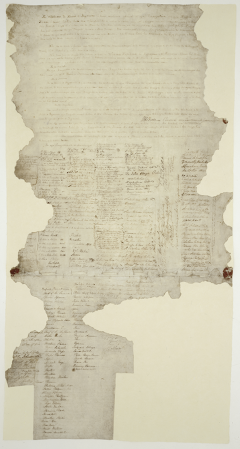
Treaty of Waitangi
Wikipedia

Treaty of Waitangi
Wikipedia
New Zealand
Wikipedia

Waitangi Day
Wikipedia

National day
Wikipedia

Día festivo
Wikipedia

1970
Wikipedia

1840
Wikipedia

Māori people
Wikipedia
Couronne (Commonwealth)
Wikipedia

Histoire de la Nouvelle-Zélande
Wikipedia

British Empire
Wikipedia

British
Wikipedia
What Else Happened on February 6
Julius I became pope in 337 by waiting. The previous pope died. The Roman clergy wanted Julius. But Emperor Constantius II wanted someone else — someone who'd s…
Hormizd IV lost his throne because he tried to tax the nobility and protect Christians. His brothers-in-law led the coup — Vistahm and Vinduyih, both military c…
The Vatican needed eight years to figure out who controlled the Philippines' souls. Spain claimed it. Portugal said the islands fell on their side of the Pope's…
Charles II became king of exactly one-third of his supposed realm. Six days after his father's execution, Scotland's Parliament declared him monarch. England re…
James II ascended the throne following his brother Charles II’s death, immediately sparking intense political friction by openly practicing Catholicism in a sta…
Dandara of Palmares chose death over re-enslavement after her capture, cementing her status as a defiant symbol of resistance within Brazil’s Quilombo communiti…
Talk to History
Have a conversation with historical figures who witnessed this era. Ask questions, explore perspectives, and bring history to life.