

Galileo Spots Jupiter's Moons: Universe Shakes
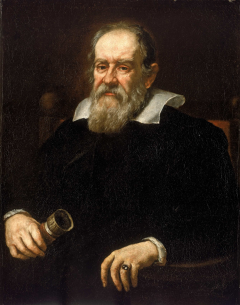
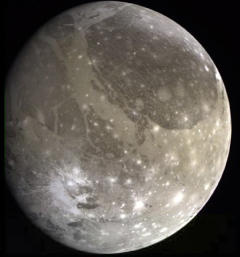
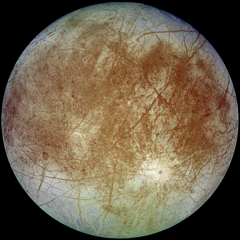
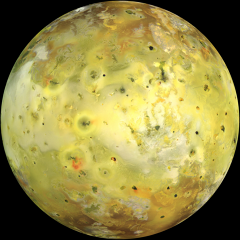
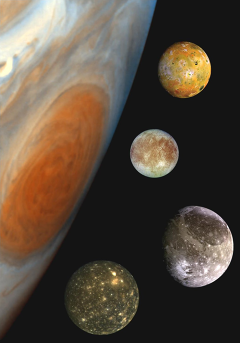
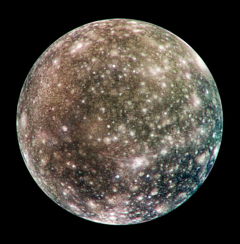
Three faint specks of light near Jupiter kept shifting positions, and Galileo could not explain why. Over several nights of observation through his homemade telescope, he realized these were not background stars but satellites orbiting Jupiter itself. A fourth moon appeared shortly after. This was devastating to Aristotelian cosmology, which held that everything in the heavens revolved around Earth. Here was proof of a second center of motion in the universe, an unmistakable demonstration that celestial bodies could orbit something other than our planet. The Catholic Church initially celebrated Galileo's findings before recognizing their theological implications. The four moons, now called the Galilean satellites, became the cornerstone evidence for Copernican heliocentrism and launched the telescopic revolution that remade astronomy.
January 7, 1610
416 years ago
Key Figures & Places
What Else Happened on January 7
Caesar heard the Senate's ultimatum and grinned. Twelve years of political maneuvering had led to this moment. The tribunes Mark Antony and Quintus Cassius race…
The Byzantine palace looked more like a street brawl. Nikephoritzes, the tax collector everyone despised, was about to learn how much people hated him. Crowds s…
He was 26 and stepping into a kingdom shaped by his father's careful political maneuvering. Alfonso IV would become known as the Brave, but not for battlefield …
French forces under the Duke of Guise seized Calais, ending over two centuries of English rule on the continent. This swift victory stripped England of its fina…
He wasn't born royal. Boris Godunov clawed his way from court advisor to absolute monarch through a web of cunning and calculated moves. And when Tsar Feodor I …
The entire settlement went up like kindling. Just nine years after its founding, Jamestown—the first permanent English colony in North America—burned to the gro…
Talk to History
Have a conversation with historical figures who witnessed this era. Ask questions, explore perspectives, and bring history to life.