

First PC Virus: Brain Infiltrates Digital World
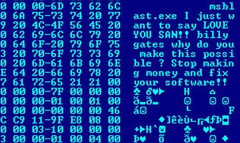
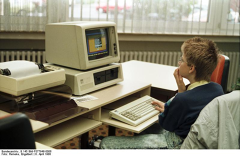
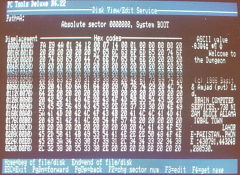
Two brothers from Lahore, Basit and Amjad Farooq Alvi, wrote the first virus for IBM-compatible personal computers in 1986. They embedded their names, address, and phone numbers in the code because their intent was not malicious but retaliatory: local customers were pirating their medical software, and the virus was designed to slow down unauthorized copies by infecting the boot sector of floppy disks. The virus spread far beyond Pakistan, traveling on shared diskettes to universities and offices across the globe. When recipients called the number in the code, the brothers offered to remove it. The incident revealed that the emerging personal computer ecosystem had zero defenses against self-replicating software. Within three years, the antivirus industry emerged as a billion-dollar market, and the concept of computer security became inseparable from digital life.
January 19, 1986
40 years ago
Key Figures & Places


What Else Happened on January 19
Twelve legions. A single moment. When Gratian tapped Theodosius to command Rome's entire eastern frontier, he wasn't just promoting a general—he was handing ove…
Clovis II ascended the throne of Neustria and Burgundy at age five, following the death of his father, Dagobert I. His long minority empowered the palace mayors…
Twelve days into the siege, water ran low. The Kucha defenders watched their wells shrink, their hope evaporating faster than their precious liquid. Ashina She'…
Rouen surrendered to Henry V after a brutal six-month siege, placing the heart of Normandy under English control. This victory dismantled the last major bastion…
The Byzantine throne wasn't big enough for just one Palaiologos. John VIII, barely out of his teens, was thrust into imperial politics through a strategic marri…
The tiny Duchy of Mirandola didn't go quietly. When Pope Julius II's armies rolled in, the Pico family—Renaissance intellectuals who'd made their court a haven …
Talk to History
Have a conversation with historical figures who witnessed this era. Ask questions, explore perspectives, and bring history to life.