

Seabed Treaty Signed: Nuclear Weapons Banned from Oceans
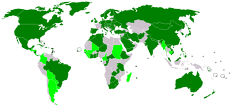
Eighty-seven nations signed the Seabed Arms Control Treaty on February 11, 1971, prohibiting the placement of nuclear weapons or other weapons of mass destruction on the ocean floor beyond each country's twelve-mile territorial limit. The treaty closed a dangerous gap in the arms control architecture: existing agreements covered atmospheric testing and outer space, but nothing prevented nations from hiding nuclear weapons beneath international waters. The seabed represented two-thirds of Earth's surface, and advances in submarine and deep-sea technology were making the deployment of seabed weapons increasingly feasible. The Soviet Union and United States both signed, recognizing that an underwater arms race would be prohibitively expensive and destabilizing. France and China, both nuclear powers, declined to sign. The treaty included verification provisions allowing any signatory to observe seabed activities but provided no enforcement mechanism beyond raising concerns with the UN Security Council.
February 11, 1971
55 years ago
Key Figures & Places


What Else Happened on February 11
Japan's first emperor supposedly ascended on February 11, 660 BC. That's the official story. The problem: there's no historical evidence Jimmu existed. The date…
Britannicus collapsed at dinner. He was 13, one day away from becoming a man under Roman law. One day away from challenging Nero for the throne. He'd been eatin…
Britannicus died at a dinner party, right in front of everyone. He was fourteen. Nero's stepbrother, blood heir to Emperor Claudius. He took a sip of wine, conv…
Gordian III was 19 when his own soldiers killed him at Zaitha in Mesopotamia. He'd been emperor for six years — crowned at 13 after a military coup his family d…
Guo Wei didn't want to be emperor. He was a court official sent to suppress a rebellion when his own troops mutinied — and proclaimed him emperor instead. He re…
Robert of Chester finished translating an Arabic alchemy text in 1144. It was the first time Western Europe had access to practical chemical procedures written …
Talk to History
Have a conversation with historical figures who witnessed this era. Ask questions, explore perspectives, and bring history to life.