

Augustus Claims Crown: Rome Unifies Church and State
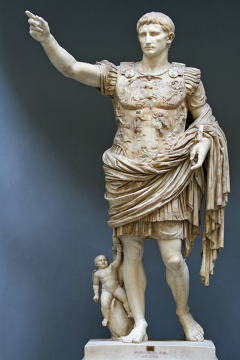
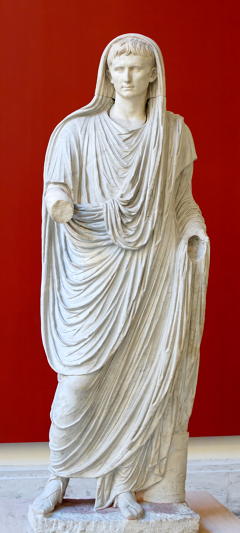
Augustus assumed the religious title of Pontifex Maximus in 12 BC, merging the highest priestly office in Rome with the political authority of the emperor. The position had previously been held by elected officials within the Republican system, including Julius Caesar. By claiming it for himself, Augustus eliminated any independent religious authority that could challenge imperial decisions. Roman state religion was already deeply intertwined with politics, but this consolidation made the emperor the final arbiter of all religious matters: temple construction, festival scheduling, priestly appointments, and the interpretation of omens. Every subsequent Roman emperor held the title until Gratian declined it in 382 AD, nearly four centuries later. The fusion of religious and political authority under one person established a template that influenced the medieval concept of divine right of kings and the relationship between church and state throughout Western civilization. The Pope eventually adopted the same title, which he retains today.
March 6, 12 BC
Key Figures & Places


What Else Happened on March 6
Seven years in a dungeon, and the Caliph still thought they'd break. The 42 Byzantine officers captured when Amorium fell in 838 weren't tortured — they were gi…
Nikephoros Phokas shattered the Emirate of Crete by capturing its capital, Chandax, after a grueling ten-month siege. This victory dismantled the base for Medit…
They climbed through the toilet chute. That's how Philip II's soldiers breached Richard the Lionheart's supposedly impregnable fortress in March 1204. The castl…
The French king agreed to pay England 50,000 livres just to clarify what "homage" actually meant. Charles IV and Edward II had been locked in a bizarre diplomat…
Tommaso Parentucelli ascended the papal throne as Nicholas V, ending the long-standing schism that had fractured the Catholic Church for decades. His election s…
The rebels didn't have an army, so they bought one. When Prussian cities rose against the Teutonic Knights in 1454, they needed a king desperate enough to fight…
Talk to History
Have a conversation with historical figures who witnessed this era. Ask questions, explore perspectives, and bring history to life.