

Attila Sacks Metz: Huns Expose Roman Weakness
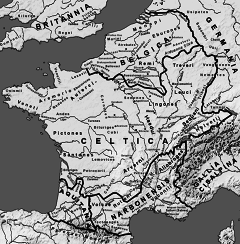
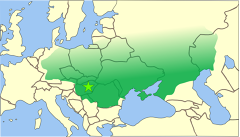
Attila the Hun sacked the Roman city of Metz on April 7, 451 AD, during an invasion of Gaul that had already destroyed multiple cities along the Rhine. His army, estimated at 30,000 to 50,000 warriors, moved with terrifying speed through modern-day France. The Bishop of Metz and most of the population were killed. The devastation prompted the Roman general Aetius to forge an unprecedented alliance with his former enemies, the Visigoths under King Theodoric I. This coalition confronted Attila at the Battle of the Catalaunian Plains in June 451, fighting him to a tactical draw that convinced the Hun to withdraw from Gaul. It was one of the few times a coalition of Roman and Germanic forces successfully checked Hunnic expansion.
April 7, 451
1575 years ago
Key Figures & Places

What Else Happened on April 7
Attila the Hun razed the city of Metz, slaughtering its inhabitants and incinerating the structures in a brutal display of force. This devastation forced the Ro…

Emperor Justinian I commissioned the Corpus Juris Civilis in 529 AD, tasking the jurist Tribonian with compiling, organizing, and reconciling over a thousand ye…
King Uneh Chan of Calakmul shattered the defenses of Palenque, plunging the rival city-state into a period of political chaos and architectural stagnation. This…
She didn't just wear a crown; she marched into London with her brother-in-law's head in a basket. In 1141, after crushing King Stephen at Lincoln, Matilda decla…
A single scroll in 1348 didn't just open doors; it burned bridges between Prague and Paris, forcing scholars to flee France for Bohemia. Charles IV bet his crow…
Charles IV established the University of Prague, creating the first institution of higher learning in Central Europe. By granting students and faculty legal aut…
Talk to History
Have a conversation with historical figures who witnessed this era. Ask questions, explore perspectives, and bring history to life.