

Nylon Patented: Carothers Revolutionizes Materials
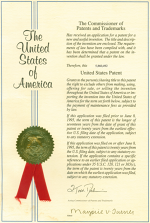
Wallace Carothers, a brilliant but depressive organic chemist at DuPont, synthesized the first nylon polymer in 1935 and patented it on February 16, 1937. Nylon was the world's first fully synthetic fiber, produced entirely from coal, water, and air rather than biological materials like silk, cotton, or wool. DuPont introduced nylon stockings to the public in 1940, selling four million pairs in the first four days. When World War II began, nylon production was diverted entirely to military use: parachutes, tire cords, ropes, and flak vests. Women's stockings became so scarce that a black market emerged, and 'nylon riots' broke out when limited supplies returned after the war. Carothers never saw any of it. He swallowed a capsule of potassium cyanide in a Philadelphia hotel room on April 29, 1937, two months after receiving his patent. He was forty-one. His invention generated billions for DuPont and launched the entire synthetic materials industry.
February 16, 1937
89 years ago
Key Figures & Places





What Else Happened on February 16
Trajan sent laurel-wrapped letters to the Senate in 116 CE announcing he'd conquered Parthia. Rome's eastern frontier had been a problem for 150 years. Augustus…
Louis IX sent a friar to the Mongol Empire in 1249. Not a general, not a diplomat — a Dominican monk named Andrew of Longjumeau. The mission: convince the Mongo…
Lithuanian forces crushed the Livonian Order on the frozen surface of the Baltic Sea, killing the Grand Master Otto von Lutterberg. This victory halted the Orde…
Hendrick Lonck and his Dutch West India Company fleet seized the sugar-rich port of Olinda, dismantling Portuguese control over the Brazilian coastline. This bo…
Parliamentary forces crushed the Royalist army at the Battle of Torrington, shattering the King’s last significant field force in the West Country. This decisiv…
The Holy Roman Emperor issued the Leopoldine Diploma in 1699, making Greek Catholic priests equal to Roman Catholics in Transylvania. Sounds bureaucratic. It wa…
Talk to History
Have a conversation with historical figures who witnessed this era. Ask questions, explore perspectives, and bring history to life.