

Eight-Hour Day: Labor Wins Ground in Industrial Age
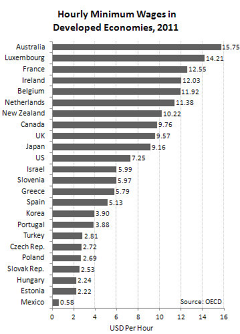
Henry Ford doubled his workers' wages overnight. Not half a percent. Not a raise. Double. On January 5, 1914, Ford Motor Company announced a minimum wage of five dollars a day and cut the workday to eight hours. The average factory wage in America was $2.34. Ford's competitors thought he'd gone insane. Ten thousand men showed up at the Highland Park plant the next morning hoping to be hired. Police used fire hoses on the crowd. Ford's reasoning wasn't charitable — he wanted workers who could afford to buy the cars they were making. He got that. He also got productivity gains that more than covered the wage increase. The forty-hour week became the standard within a generation. It started with one announcement in January.
January 5, 1914
112 years ago
Key Figures & Places



What Else Happened on January 5
Edward the Confessor died January 5, 1066 without an heir. Three men claimed the throne within months: Harold Godwinson, Harald Hardrada of Norway, William of N…
Charles the Bold spent his reign building Burgundy into something between a kingdom and an empire — richer than France, more powerful than most actual monarchie…
Charles the Bold fell at the Battle of Nancy and Burgundy fell with him. His body was found frozen in a pond, face down, three days after the battle. Without an…
Ludovico Sforza had been ruling Milan as regent when he invited the French king Charles VIII into Italy in 1494 — hoping French muscle would protect him from ri…
Felix Manz helped found the Anabaptist movement in Zurich — one of the earliest groups to insist on adult baptism and the separation of church and state. The ci…
A great fire swept through Eindhoven in January 1554, destroying most of the small Dutch market town. It was one of several catastrophic fires that struck Eindh…
Talk to History
Have a conversation with historical figures who witnessed this era. Ask questions, explore perspectives, and bring history to life.