

Emperor Tenji Introduces Water Clock: Time Measured in Ōtsu
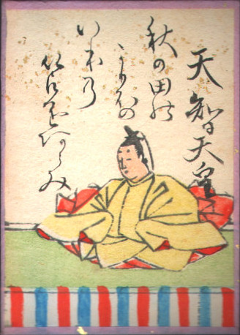
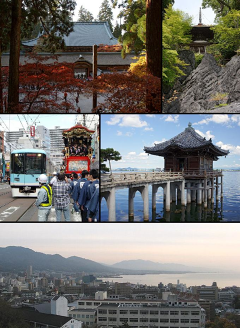
Emperor Tenji of Japan established the Rokoku water clock at the Omi Palace in Otsu on June 10, 671 AD, standardizing timekeeping for the imperial court. The water clock measured time by the steady flow of water between calibrated vessels, providing consistent readings regardless of cloud cover, weather, or season, advantages over the sundials previously used. Tenji's clock was part of his broader modernization of Japanese government along Chinese Tang Dynasty lines, including land reform, a new tax system, and a census. June 10 is still celebrated in Japan as "Time Day" (Toki no Kinenbi), established in 1920 to encourage punctuality. The original clock mechanism has not survived, but reconstructions based on Tang Chinese designs suggest it was a sophisticated multi-vessel system with float-operated indicators.
June 10, 671
1355 years ago
Key Figures & Places



What Else Happened on June 10
Frederick I Barbarossa drowned in the Saleph River while leading his massive army toward Jerusalem, shattering the Holy Roman Empire’s momentum in the Third Cru…
Pope Honorius III issued the bull Vineae Domini custodes, formally authorizing Dominican friars to carry their missionary work to Morocco. The papal endorsement…
Ottoman forces under Orhan Gazi crushed the Byzantine army at the Battle of Pelekanon, ending imperial control over Bithynia. This defeat stripped Constantinopl…
An empire lost Asia Minor not in a great clash of armies, but in a single afternoon's retreat. At Pelekanon, near Nicomedia, Emperor Andronikos III faced the Ot…
Peasants nearly took France. Not metaphorically — they burned castles, killed nobles, and sent the aristocracy fleeing for their lives. The Jacquerie uprising o…
Copenhagen held out for two years. The city refused to accept Frederick I as king — not out of stubbornness, but because its citizens stayed loyal to the exiled…
Talk to History
Have a conversation with historical figures who witnessed this era. Ask questions, explore perspectives, and bring history to life.