

Damascus Falls: Arab Conquest Reshapes Middle East
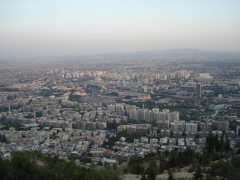
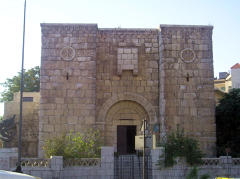
Khalid ibn al-Walid captured Damascus from the Byzantine Empire in September 634, seizing one of the wealthiest cities in the ancient world for the expanding Rashidun Caliphate. The siege lasted roughly six months, with Khalid commanding the eastern approach while other Arab generals invested the remaining gates. Damascus fell when Khalid breached the eastern wall while simultaneously negotiating a peaceful surrender through the western gate, creating a legal ambiguity about whether the city was taken by force or treaty that affected tax policy for generations. The conquest of Damascus opened the road to the rest of Syria and Palestine, and the city soon became the capital of the Umayyad Caliphate, the center of an Islamic empire stretching from Spain to Central Asia.
September 19, 634
1392 years ago
Key Figures & Places




What Else Happened on September 19
The Roman Senate declared Nerva emperor immediately following Domitian’s assassination, ending the Flavian dynasty’s autocratic grip on power. By ordering the d…
Constantine I elevated his nephew Flavius Dalmatius to the rank of Caesar, granting him administrative control over Thrace, Macedonia, and Achaea. This promotio…
Edward the Black Prince had around 8,000 men and was trying to retreat when the French king John II decided to charge instead of wait. The English longbowmen sh…
The Teutonic Order's State successfully repels the combined Polish-Lithuanian assault, ending the siege and preserving their control over Marienburg for another…
Nathaniel Bacon’s rebels torched Jamestown, compelling Governor William Berkeley to flee across the Chesapeake Bay. This destruction ended the colony’s first ca…
Giles Corey endured two days of heavy stones placed upon his chest, refusing to enter a plea to the witchcraft charges leveled against him. By dying without a c…
Talk to History
Have a conversation with historical figures who witnessed this era. Ask questions, explore perspectives, and bring history to life.