

First Crew Arrives at the International Space Station: Expedition 1
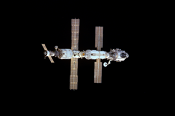
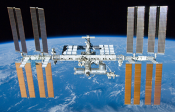
Astronaut William Shepherd and cosmonauts Sergei Krikalev and Yuri Gidzenko docked at the International Space Station as its first permanent residents, beginning an unbroken human presence in orbit. Their four-month stay proved that a multinational crew could live and work together in space, launching over two decades of continuous habitation.
November 2, 2000
26 years ago
Key Figures & Places
What Else Happened on November 2
A foreign ruler was murdered inside a Chinese imperial palace — and the emperor signed off on it. Tong Yabghu Qaghan, powerful leader of the Western Turkic Khag…
Donus wird nach 77-tägiger Sedisvakanz als Nachfolger von Papst Adeodatus II. inthronisiert.
en la región de la desembocadura del río Yser (en Bélgica) y en el resto de la costa de Flandes, una marejada ciclónica genera una inundación, que se menciona e…
l'archevêque de Cantorbéry Thomas Becket s'embarque clandestinement pour la France, à la suite de son différend avec son compatriote le roi d'Angleterre Henri I…
Érard de Brienne renonce à ses droits sur la Champagne.
renvoi des États-Généraux par le dauphin, futur roi de France Charles V.
Talk to History
Have a conversation with historical figures who witnessed this era. Ask questions, explore perspectives, and bring history to life.