

Kristallnacht Burns: Pogrom Marks Holocaust's Violent Start
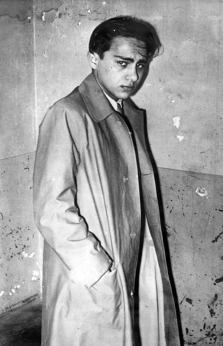
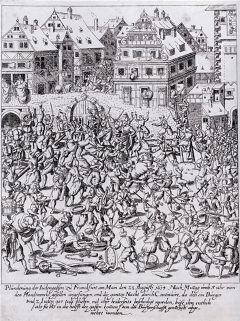
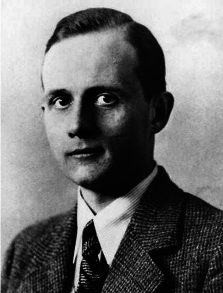
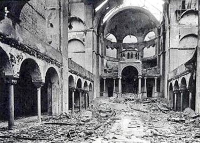
SA paramilitaries, Hitler Youth, and ordinary civilians attacked Jewish homes, businesses, and synagogues across Germany and Austria on the night of November 9-10, 1938. Over 1,400 synagogues were damaged or destroyed. Roughly 7,500 Jewish-owned businesses were smashed. Thirty thousand Jewish men were arrested and sent to concentration camps at Dachau, Buchenwald, and Sachsenhausen. At least 91 Jews were murdered. The pogrom was presented as a spontaneous reaction to the assassination of a German diplomat in Paris by a young Jewish man. In reality, Joseph Goebbels orchestrated the violence with Hitler's approval. The name 'Kristallnacht,' Night of Broken Glass, comes from the shattered windows that littered the streets. It marked the transition from legal discrimination to organized physical violence, a clear step toward the Holocaust.
November 9, 1938
88 years ago
Key Figures & Places
What Else Happened on November 9
The United States conducted its first nationwide test of the Emergency Alert System at 2:00 p.m. EST, sending a simultaneous alert to every TV and radio station…
A king invented a conspiracy to solve a problem he couldn't prove existed. Egica, ruling Visigothic Hispania, accused the entire Jewish population of secretly a…
Minamoto no Yoritomo's 30,000 men launched a surprise night assault near the Fuji River, routing Taira no Koremori's forces and securing a decisive victory. Alt…
King Edward I forces Llywelyn ap Gruffudd to sign the Treaty of Aberconwy, stripping the Welsh prince of his title and vast territories while demanding total su…
Pope Martin IV excommunicated King Peter III of Aragon for seizing Sicily during the Sicilian Vespers uprising against French rule. The Pope then declared a cru…
Hugues de Pairaud, a high-ranking Knights Templar officer, broke under torture to confess to fabricated charges of idolatry and sodomy. His forced testimony pro…
Talk to History
Have a conversation with historical figures who witnessed this era. Ask questions, explore perspectives, and bring history to life.