

Artificial Heart Implanted: Jarvik Saves Barney Clark
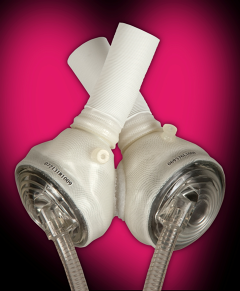
Surgeon William DeVries implanted the Jarvik-7 artificial heart into 61-year-old retired dentist Barney Clark at the University of Utah Medical Center on December 2, 1982. The seven-hour surgery replaced Clark's failing heart with a pneumatic device connected to a 375-pound external compressor by two air hoses that entered his body through his abdomen. Clark survived 112 days, during which he experienced seizures, nosebleeds, and difficulty breathing, but proved that a human could survive with a mechanical heart. He died of multiple organ failure on March 23, 1983. Four more Jarvik-7 recipients followed, with survival times ranging from 10 to 620 days. The permanent artificial heart program was eventually abandoned in favor of ventricular assist devices and bridge-to-transplant technologies that are now used by thousands of patients annually.
December 2, 1982
44 years ago
Key Figures & Places

What Else Happened on December 2
Pope Innocent IV arrived in Lyon to escape the suffocating political pressure of Holy Roman Emperor Frederick II, turning the French city into the temporary hea…
The University of Leipzig opened because German masters at Prague got tired of being outvoted 3-to-1 by Bohemian colleagues. King Wenceslaus IV had just flipped…
Sir Christopher Wren's St Paul's Cathedral rises from the ashes of the Great Fire, finally receiving its consecration on this day. The new structure replaced th…
Christopher Wren watched his cathedral open after 35 years of construction — he was 65, had survived the Great Fire that leveled the old cathedral, fought with …
The keeper's wife lit a candle to inspect the lantern room. Within minutes, flames had engulfed John Smeaton's wooden tower — the one that had replaced the orig…
The building still stands. But in 1763, Newport's Jewish congregation numbered maybe 58 families — Portuguese and Spanish refugees who'd fled the Inquisition th…
Talk to History
Have a conversation with historical figures who witnessed this era. Ask questions, explore perspectives, and bring history to life.