

Olympic Theatre Opens in Vicenza: Palladio's Last Masterpiece
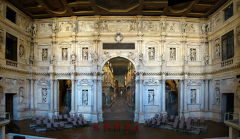
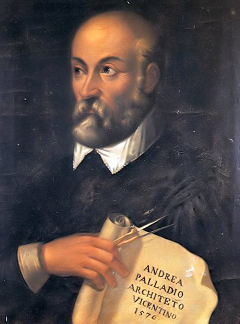
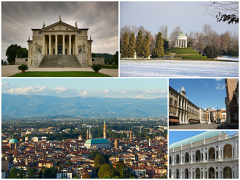
Andrea Palladio's Olympic Theatre opens its doors in Vicenza, establishing the first permanent indoor theater of the modern era and setting a new standard for stage design that influenced architecture for centuries. This inauguration transformed theatrical performance from temporary outdoor gatherings into a refined, year-round cultural institution, allowing for complex sets and controlled lighting that redefined how audiences experienced drama.
March 3, 1585
441 years ago
Key Figures & Places


What Else Happened on March 3
Julien Fédon led a coalition of enslaved people and free people of color to seize the towns of Grenville and Gouyave, challenging British colonial rule in Grena…
début de l'ère Saka / Sakas en Inde.
Gundobad installed his puppet Glycerius as Western Roman Emperor, bypassing the Senate to consolidate his own military control. This maneuver exposed the total …
en China, se reestablece la Dinastía Tang tras el interregno de Wu Zetian.
Empress Genshō stepped down from the Japanese throne to transfer power to her nephew, Shōmu. This transition maintained the stability of the Nara period and ens…
He'd already been patriarch twice, excommunicated twice, and now Photios was back for round three. When Emperor Basil I ratified the Fourth Council of Constanti…
Talk to History
Have a conversation with historical figures who witnessed this era. Ask questions, explore perspectives, and bring history to life.