

Saint Patrick Dies: Faith Takes Root in Ireland
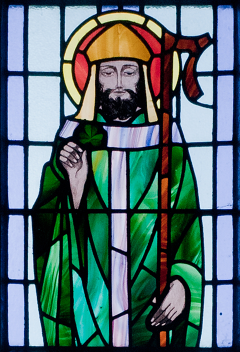
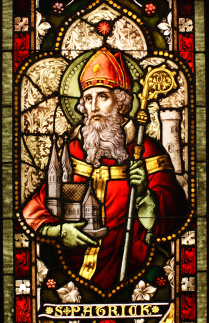
Patrick died on March 17, 461, at Saul, County Down, where he had built his first church after returning to Ireland as a missionary bishop. He had arrived around 432, sent by Pope Celestine to convert the pagan Irish. Born in Roman Britain, Patrick had been kidnapped by Irish raiders at age sixteen and spent six years as a slave herding sheep in County Antrim before escaping. He returned decades later, armed with fluency in the Irish language and an understanding of the culture that allowed him to convert tribal kings and establish churches across the island. Patrick's own writings, the Confession and the Letter to Coroticus, are the earliest surviving documents written in Ireland. The St. Patrick's Day celebration evolved over centuries: it began as a religious feast day in Ireland, became a parade of Irish immigrant pride in New York City as early as 1762, and was transformed into a global tourism event when the Irish government launched its international campaign in 1995.
March 17, 461
1565 years ago
Key Figures & Places


What Else Happened on March 17

Caesar's best general turned against him, and it nearly killed him. Titus Labienus had served under Caesar for eight years in Gaul, knew every one of his tactic…
Marcus Aurelius succumbed to illness in Vindobona, ending the era of the Five Good Emperors. His death elevated his son, Commodus, to sole power, abruptly halti…
He was Rome's first emperor born into the purple — literally raised in the palace — and Marcus Aurelius knew it was a mistake. The philosopher-emperor spent his…
He murdered the emperor, then forced the widow to marry him — all within days. Petronius Maximus bribed enough senators to claim the Western Roman throne in Mar…
Petronius Maximus seized the Western Roman throne with the Senate’s backing just one day after orchestrating the assassination of Valentinian III. His reign las…
Muhammad led his outnumbered forces to a decisive victory against the Quraysh at the Battle of Badr, securing the survival of the nascent Muslim community in Me…
Talk to History
Have a conversation with historical figures who witnessed this era. Ask questions, explore perspectives, and bring history to life.