

Maine Bans Alcohol: The Temperance Movement Begins
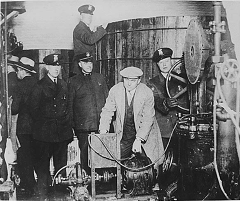
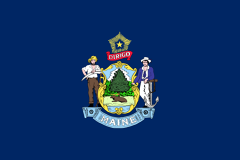
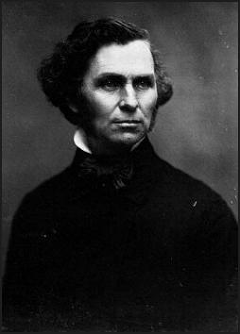
Maine enacted the first statewide prohibition law on June 2, 1851, banning the manufacture and sale of alcoholic beverages except for "medicinal, mechanical, or manufacturing purposes." The law was championed by Portland mayor Neal Dow, who became known as the "Napoleon of Temperance." The Maine Law inspired twelve other states to pass similar legislation by 1855, creating a wave of prohibition that was the first major temperance victory in American history. The law was poorly enforced and deeply unpopular in practice; Portland saw a riot in 1855 when Dow ordered militia to fire on a crowd protesting the seizure of alcohol, killing one person. Most state prohibition laws were repealed by the Civil War era. The national temperance movement revived and achieved the 18th Amendment in 1919, which was itself repealed by the 21st Amendment in 1933.
June 2, 1851
175 years ago
Key Figures & Places

What Else Happened on June 2
Karl Nobiling didn't just shoot the Kaiser — he shot him twice, from a second-floor window in Berlin, loaded with birdshot. Wilhelm I was 81 years old and survi…
A teenage emperor grabbed a sword and marched into the street himself. Cao Mao, 20 years old, knew Sima Zhao controlled everything — the army, the court, his ow…
Vandal forces breached the walls of Rome, systematically stripping the city of its wealth and sacred treasures over fourteen days of relentless looting. This or…
The Caliphate of Córdoba was supposed to be untouchable. At its peak under Abd al-Rahman III, it was the most sophisticated state in Western Europe — libraries,…

Crusader forces under Bohemond of Taranto captured Antioch on June 3, 1098, after a seven-month siege during the First Crusade. The siege had reduced the Crusad…
Virginia's original charter didn't just claim a colony. It claimed a continent. Issued by James I in 1606 and expanded in 1609, the grant stretched from the Atl…
Talk to History
Have a conversation with historical figures who witnessed this era. Ask questions, explore perspectives, and bring history to life.