

Ford Installs Assembly Line: Cars Become Affordable
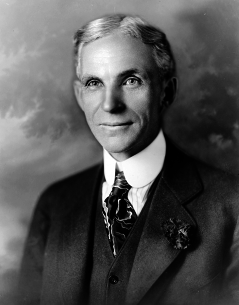
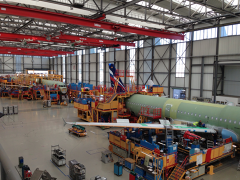
Ford engineers rigged a rope-and-winch system at the Highland Park plant on October 7, 1913, dragging a Model T chassis past 140 workers who each added one component. Assembly time dropped from 12 hours 28 minutes to 93 minutes. Within a year, Ford refined the process with a mechanized belt and cut the time to 24 seconds per car. The moving assembly line wasn't invented from nothing. Meatpacking plants in Cincinnati and Chicago had used overhead conveyor systems for decades, disassembling carcasses as they moved past stationary workers. Ford reversed the idea: instead of taking apart, he put together. By 1914, Ford produced more cars than all other manufacturers combined. The $5 daily wage he introduced the same year wasn't generosity; it was the minimum needed to stop the brutal 370% annual turnover.
October 7, 1913
113 years ago
Key Figures & Places

What Else Happened on October 7
The Hebrew calendar counts time from this date, which rabbinic tradition identifies as the moment of the world's creation. By anchoring religious life to this s…
The Hebrew calendar counts from a date calculated centuries later by medieval rabbis: October 7, 3761 BCE. They worked backward through biblical genealogies, ad…
Pope Mark died after a brief eight-month tenure, leaving the Roman Church without a leader during a period of intense theological friction over Arianism. His de…
A French admiral commanded the Genoese fleet at Modon in 1403 because Genoa had hired him—the republic was too broke to field its own commander. Venice won deci…
Uppsala University opened its doors to students, establishing the first institution of higher learning in Scandinavia. By securing papal authorization, the univ…
Spanish forces under Ramón de Cardona crushed the Venetian army at the Battle of La Motta, utilizing superior infantry tactics to dismantle their opponents' cav…
Talk to History
Have a conversation with historical figures who witnessed this era. Ask questions, explore perspectives, and bring history to life.