

Melville Publishes Moby-Dick: A Literary Masterpiece Emerges
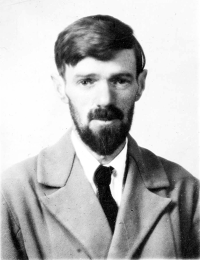
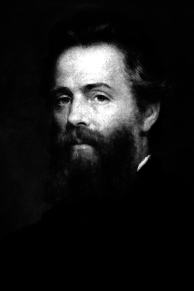
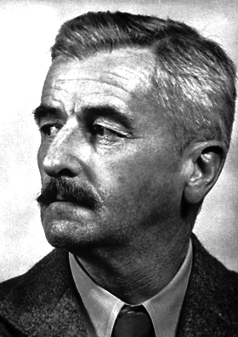
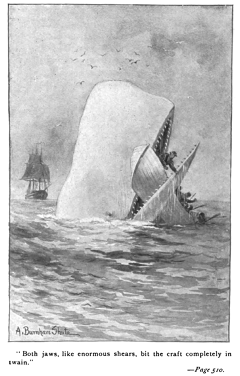
Herman Melville published Moby-Dick on November 14, 1851, in New York under Harper and Brothers, three weeks after the British edition appeared as The Whale. The American edition sold 2,300 copies in its first year and earned Melville $556.37. Reviews ranged from puzzled to hostile. The book went out of print. Melville spent the next 40 years as a customs inspector on the New York docks, writing poetry that almost no one read. The revival came in the 1920s when scholars rediscovered the novel and proclaimed it a masterpiece. D.H. Lawrence, William Faulkner, and others championed it as the great American novel. Captain Ahab's obsessive pursuit of the white whale became the defining metaphor for destructive monomania. Today, first editions sell for hundreds of thousands of dollars. Melville died in 1891, unaware his reputation would resurrect.
November 14, 1851
175 years ago
Key Figures & Places
What Else Happened on November 14
Alexander the Great accepted the double crown of Upper and Lower Egypt in Memphis, ending two centuries of Persian rule. By assuming the title of pharaoh, he se…
Francisco Pizarro and his band of conquistadors marched into the Inca city of Cajamarca, initiating a direct confrontation with Emperor Atahualpa. This encounte…
Gottfried Kirch spots a brilliant new streak in the sky through his telescope, shattering the ancient belief that comets were atmospheric phenomena. This discov…
Scottish explorer James Bruce reached the source of the Blue Nile at Lake Tana in Ethiopia, believing he had solved one of geography's oldest mysteries. His acc…
French Marshals Victor and Oudinot suffer a sharp defeat at the Battle of Smoliani against General Peter Wittgenstein's Russian forces. This loss halts Napoleon…
Herman Melville's Moby-Dick was published in the United States by Harper & Brothers, a week after its British edition appeared as The Whale. The novel sold poor…
Talk to History
Have a conversation with historical figures who witnessed this era. Ask questions, explore perspectives, and bring history to life.