

Scott Reaches South Pole: Amundsen's Victory Stings
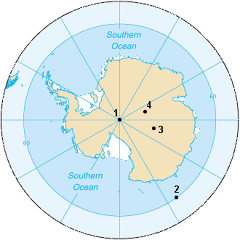
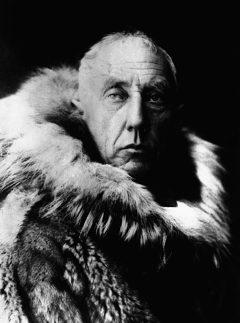
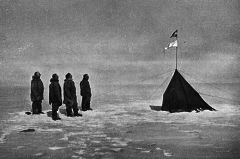
Robert Falcon Scott and his four companions reached the South Pole on January 17, 1912, only to find Roald Amundsen's tent and a Norwegian flag already planted there. Amundsen had arrived 34 days earlier using dog sleds and Inuit survival techniques. Scott's team had relied on man-hauling and ponies, a strategy that proved fatally slow. The psychological blow of arriving second was compounded by brutal weather on the return journey. Edgar Evans collapsed first. Lawrence Oates, his feet destroyed by frostbite, famously walked into a blizzard saying 'I am just going outside and may be some time.' Scott, Edward Wilson, and Henry Bowers died in their tent just eleven miles from a supply depot. Scott's diary, recovered eight months later, turned a military failure into an enduring British narrative of noble sacrifice. Amundsen's superior planning received far less celebration.
January 18, 1912
114 years ago
Key Figures & Places
What Else Happened on January 18
Roman aristocrats in Gaul proclaimed General Magnentius emperor, directly challenging the unpopular rule of Constans. This usurpation triggered a brutal civil w…
The emperor's own bodyguard turned assassin. Magnentius, a burly Frankish general with a reputation for brutality, didn't just overthrow Constans—he murdered hi…
A seven-year-old emperor? Barely old enough to read, yet wearing imperial purple. Leo II inherited the Byzantine throne through pure bloodline, but his moment o…
The Byzantine emperor's back was against the wall. Justinian I faced total overthrow as chariot racing fans—divided into rival "Blue" and "Green" fan factions—s…
Emperor Huizong abdicated the Song Dynasty throne to his son, Qinzong, in a desperate attempt to shift responsibility for the encroaching Jurchen Jin army. This…
A wedding to end a war. Elizabeth wore white silk—rare then—and the court held its breath. This wasn't just a marriage; it was a human truce that would close th…
Talk to History
Have a conversation with historical figures who witnessed this era. Ask questions, explore perspectives, and bring history to life.