

Washington Boycotts Britain: The Road to Revolution Opens
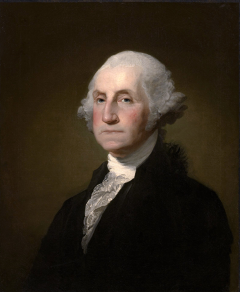
George Washington presented Virginia's nonimportation resolves to the House of Burgesses on May 17, 1769, proposing a comprehensive boycott of British goods until Parliament repealed the Townshend Acts, which imposed duties on glass, lead, paint, paper, and tea. Washington and George Mason had drafted the resolves at Mount Vernon. The boycott was modeled on earlier successful resistance to the Stamp Act. Virginia's resolves spread rapidly through the colonies, with merchants in Boston, New York, and Philadelphia adopting similar agreements. The economic pressure worked: Parliament repealed most Townshend duties in 1770, retaining only the tax on tea as a symbol of parliamentary authority. That remaining tea tax would eventually provoke the Boston Tea Party in 1773.
May 17, 1769
257 years ago
Key Figures & Places
What Else Happened on May 17
Mircea the Elder’s Wallachian forces ambushed the Ottoman army at the Battle of Rovine, repelling Sultan Bayezid I’s superior numbers through clever use of terr…
Napoleon Bonaparte formally annexed the Papal States into his French Empire, stripping the Pope of his temporal power and secular lands. This aggressive move tr…
The axe fell on England's richest nobleman because he owned a surveyor's map. Edward Stafford, 3rd Duke of Buckingham, kept detailed charts of his Welsh estates…
Four men walked out of the Florida wilderness in 1536. They'd started as 600 under Pánfilo de Narváez nine years earlier, sailing from Spain with armor, horses,…
George Boleyn and four associates met the executioner’s blade on Tower Hill after being convicted of treason and adultery with Queen Anne Boleyn. This brutal pu…
The marriage that broke England from Rome lasted just three years before Henry annulled it on the same grounds he'd used against Catherine: he'd sinned by marry…
Talk to History
Have a conversation with historical figures who witnessed this era. Ask questions, explore perspectives, and bring history to life.