

First Hieroglyphic Tablet Found at Knossos: Archaeologists Decode Crete
The tablets sat buried for 3,400 years before Arthur Evans unearthed them at Knossos, but nobody could read a single word. Linear B looked nothing like Greek—its angular symbols seemed utterly alien. For half a century, scholars assumed it recorded some lost Minoan language. Then in 1952, a young architect named Michael Ventris cracked it during his lunch breaks and discovered something nobody expected: it was Greek after all. The Mycenaeans had been writing in Greek centuries before Homer, keeping meticulous records of chariot wheels and sheep. Turns out the oldest European writing wasn't poetry or laws—it was accounting.
March 30, 1900
126 years ago
Key Figures & Places

Crete
Wikipedia
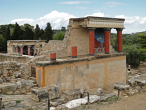
Knossos
Wikipedia
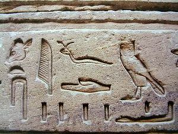
hieroglyphic
Wikipedia
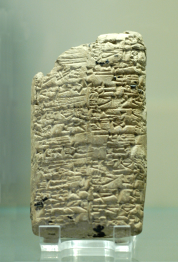
clay tablets
Wikipedia
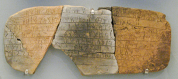
Linear B
Wikipedia

archaeologist
Wikipedia

Egyptian hieroglyphs
Wikipedia

Ottoman Empire
Wikipedia

Crete
Wikipedia

Knossos
Wikipedia

Clay tablet
Wikipedia

Linear B
Wikipedia

Greeks
Wikipedia

Arthur Evans
Wikipedia
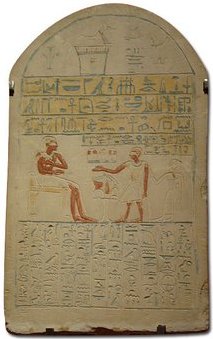
Hieróglifo
Wikipedia
What Else Happened on March 30
Chinese astronomers spotted it first—a "broom star" sweeping across their sky in 240 BC. They didn't know they were tracking the same cosmic visitor that would …
Primeiro periélio registrado da passagem do cometa Halley.
The plague did what Byzantine walls couldn't. Bayan I's Avaro-Slavic army surrounded Tomis on the Black Sea coast, ready to crack open another imperial strongho…
saint Ludger fêté les 26 mars est consacré comme premier évêque de Münster.

The church bells rang for evening prayer, and the slaughter began. A French soldier harassed a Sicilian woman outside the Church of the Holy Spirit in Palermo, …
Edward I unleashed his army on Berwick-upon-Tweed, slaughtering thousands of residents and erasing the town’s status as a thriving international trading port. T…
Talk to History
Have a conversation with historical figures who witnessed this era. Ask questions, explore perspectives, and bring history to life.