

Finland Signs Moscow Peace Treaty: The Winter War Ends, Territory Lost
Finland won nearly every battle but still lost the war. After holding off Stalin's massive Red Army for 105 days—David against Goliath with skis and Molotov cocktails—the Finns signed away 11% of their territory on March 13, 1940. Within days, 422,000 Karelians abandoned their homes, farms, and family graves rather than live under Soviet rule. Not one chose to stay. The evacuees were resettled across Finland, each family carrying what they could, leaving behind a landscape of empty churches and silent villages. Stalin got his land buffer around Leningrad, but the fierce resistance convinced Hitler that the Soviet military was vulnerable—a miscalculation that would define the next five years of war.
March 12, 1940
86 years ago
Key Figures & Places

Finland
Wikipedia
Soviet Union
Wikipedia
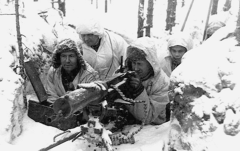
Winter War
Wikipedia
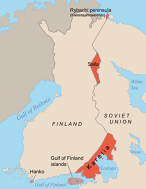
Moscow Peace Treaty (1940)
Wikipedia
Finnish Karelia
Wikipedia
Soviet Union
Wikipedia

Moscow Peace Treaty
Wikipedia

Finland
Wikipedia

Czechoslovakia
Wikipedia

Spacecraft
Wikipedia

Baikonur Cosmodrome
Wikipedia

Winter War
Wikipedia

East Germany
Wikipedia

England
Wikipedia

Karelia (historical province)
Wikipedia

Soyuz (spacecraft)
Wikipedia

Olimpiada
Wikipedia

Friedrich Baumbach
Wikipedia

Medaille
Wikipedia

Hotel Ratswaage
Wikipedia
Fernschach
Wikipedia

Soyuz T-4
Wikipedia
What Else Happened on March 12
É completada a construção do Segundo Templo de Jerusalém;
Der zweite Jerusalemer Tempel ist vollendet und wird eingeweiht.
Heron von Alexandria erwähnt eine Mondfinsternis über der Stadt Alexandria.

Belisarius held Rome with just 5,000 men against an Ostrogothic army of 150,000. For over a year, Vitiges surrounded the city, cutting aqueducts and starving th…
consécration de la construction de l'abbaye de Fulda.
The French monk elected pope in 1088 couldn't even enter Rome for a year — his rival already occupied the papal throne. Odo of Châtillon, who took the name Urba…
Talk to History
Have a conversation with historical figures who witnessed this era. Ask questions, explore perspectives, and bring history to life.