

Union Army Stops Returning Fugitive Slaves
The federal government prohibited Union officers from returning fugitive slaves to their owners on March 13, 1862, a directive that effectively nullified the Fugitive Slave Act of 1850 for any enslaved person who reached Union lines. The order reflected a strategic shift: returning slaves helped the Confederacy by maintaining its labor force, while sheltering them weakened the Southern economy and provided the Union with labor, intelligence, and eventually soldiers. The directive was a crucial step in the war's moral evolution from a conflict to preserve the Union into one that destroyed slavery. 'Contraband' camps, as the military called settlements of escaped enslaved people, grew rapidly behind Union lines. By 1863, many of these former slaves were enlisting in the United States Colored Troops, eventually contributing nearly 180,000 soldiers to the Union cause. The order cleared the political path for Lincoln's Emancipation Proclamation, issued nine months later, which declared all enslaved people in rebel states 'forever free.'
March 13, 1862
164 years ago
Key Figures & Places

United States
Wikipedia
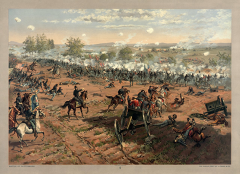
American Civil War
Wikipedia
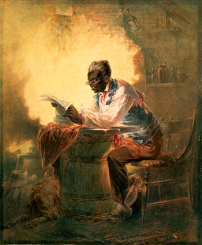
Emancipation Proclamation
Wikipedia
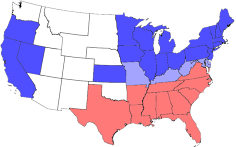
Union (American Civil War)
Wikipedia
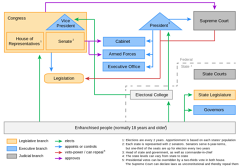
Federal government of the United States
Wikipedia
Fugitive Slave Law of 1850
Wikipedia
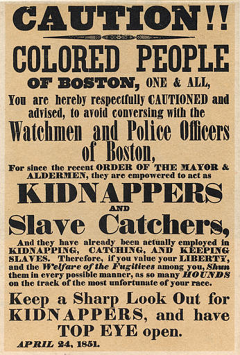
Fugitive Slave Act of 1850
Wikipedia

Act Prohibiting the Return of Slaves
Wikipedia

United States Congress
Wikipedia
Fugitive Slave Act of 1850
Wikipedia

Emancipation Proclamation
Wikipedia

American Civil War
Wikipedia
Southern United States
Wikipedia

Negro Soldier Bill
Wikipedia

African American
Wikipedia

Confederate States Army
Wikipedia

Confederate
Wikipedia
What Else Happened on March 13
The Praetorian Guard dragged both bodies through Rome's streets before dumping them in the Tiber River. Elagabalus was eighteen when soldiers murdered him in th…
The Roman Senate chose him — not the clergy. Felix III became pope in 483 because Gothic King Odoacer, who'd deposed the last Western Roman emperor seven years …

A small Muslim force of roughly 313 men under Muhammad's command defeated a Meccan army of approximately 1,000 at the wells of Badr on March 13, 624 CE. The bat…
Three hundred thirteen men faced a thousand. Muhammad's followers were outnumbered three-to-one at Badr's wells, seventy miles from Medina, but they'd seized th…
The remains of Saint Nicephorus returned to Constantinople, finding their final resting place in the Church of the Holy Apostles. This ceremonial reburial signa…
Cardinal Gregorio Conti assumed the title of Victor IV, challenging the legitimacy of Pope Innocent II after the death of Anacletus II. This schism deepened the…
Talk to History
Have a conversation with historical figures who witnessed this era. Ask questions, explore perspectives, and bring history to life.