

Stamp Act Passed: Britain Taxes the Colonies, Revolution Brews
Parliament thought taxing paper was safer than taxing land. The Stamp Act of 1765 hit everything colonists touched—newspapers, playing cards, legal documents, even dice. Every sheet needed a revenue stamp, purchased in British sterling that most Americans didn't have. Benjamin Franklin, living in London as Pennsylvania's agent, initially downplayed colonial anger. He was wrong. Within eight months, stamp distributors were fleeing their posts, effigies burned in every port, and the Sons of Liberty had formed. Parliament repealed it in 1766, but on the same day passed the Declaratory Act insisting they could tax colonies "in all cases whatsoever." The British won the argument and lost an empire.
March 22, 1765
261 years ago
Key Figures & Places

Kingdom of Great Britain
Wikipedia
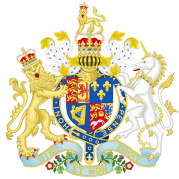
Parliament of Great Britain
Wikipedia
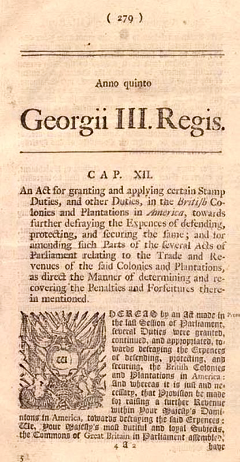
Stamp Act 1765
Wikipedia
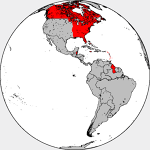
British colonization of the Americas
Wikipedia

Parliament of Great Britain
Wikipedia

Thirteen Colonies
Wikipedia
Stamp Act 1765
Wikipedia

British colonization of the Americas
Wikipedia

Stamp Act
Wikipedia
What Else Happened on March 22
A province needed a calendar, so they started counting from the day Rome annexed them. Arabia Petraea's Bostran era began in 106 CE when Trajan transformed the …
His own troops killed him because he paid them too much. Severus Alexander's mother Julia Mamaea convinced him to bribe Germanic tribes instead of fighting them…
Proclaimed emperors by rebelling landowners in North Africa, Gordian I and his son Gordian II challenged the brutal rule of Maximinus Thrax. Their short-lived u…
Gordien II devient empereur romain.
Æthelred of Wessex won at Marton, but he'd be dead within a month. The Danish army he defeated on this frozen field in Wiltshire wasn't destroyed—just pushed ba…
en la sala caliente de los baños califales del Alcázar andalusí de Córdoba, es asesinado el califa Alí ben Hamud al-Násir a manos de sus propios sirvientes.
Talk to History
Have a conversation with historical figures who witnessed this era. Ask questions, explore perspectives, and bring history to life.