

William and Mary Crowned: Britain's Constitutional Monarchy Begins
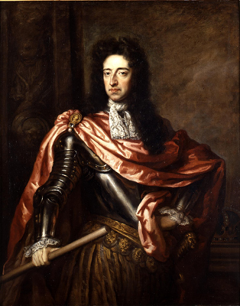
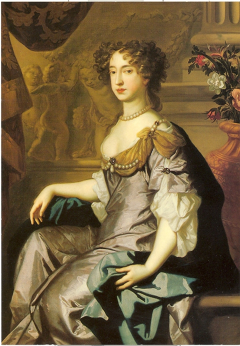
William III of Orange and Mary II of England were crowned on April 11, 1689, but only after accepting the Declaration of Rights, later codified as the Bill of Rights 1689. This document permanently limited royal power by prohibiting the monarch from suspending laws, levying taxes, or maintaining a standing army without parliamentary consent. It guaranteed free elections, freedom of speech in Parliament, and prohibited cruel and unusual punishments. William and Mary had been invited to invade England by seven Protestant nobles who opposed the Catholic James II. Their "Glorious Revolution" established the principle that Parliament, not the monarch, held ultimate sovereignty. The American Bill of Rights and the Universal Declaration of Human Rights both trace their lineage to this document.
April 11, 1689
337 years ago
Key Figures & Places

What Else Happened on April 11
She handed him a crown he'd never asked for, then demanded he count every coin in the treasury before accepting. Anastasius didn't just inherit a throne; he inh…
King Bolesław II of Poland ordered the execution of Bishop Stanislaus of Kraków after a bitter dispute over land and the monarch's moral conduct. This act of vi…
Batu Khan’s Mongol forces crushed King Béla IV’s army at the Battle of Muhi, shattering the Hungarian military and leaving the kingdom defenseless against a bru…
Gaston de Foix crushed the Spanish and Papal armies at the Battle of Ravenna, utilizing mobile field artillery to shatter enemy infantry formations. While the F…
Gaston de Foix led a Franco-Ferrarese army to a bloody victory over Papal-Spanish forces at Ravenna, the deadliest battle in Europe since antiquity, with over 1…
A French army commanded by the Comte d'Enghien routed Habsburg imperial forces at Ceresole in Piedmont, inflicting devastating casualties in one of the Italian …
Talk to History
Have a conversation with historical figures who witnessed this era. Ask questions, explore perspectives, and bring history to life.