

First Abolition Society Founded: America's Fight Against Slavery Begins
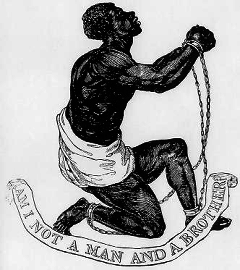
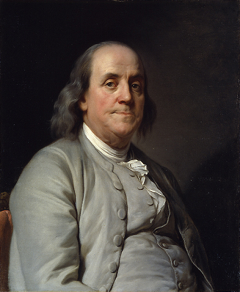
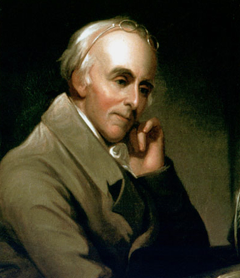
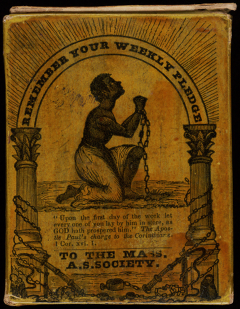
The Society for the Relief of Free Negroes Unlawfully Held in Bondage was founded in Philadelphia on April 14, 1775, just five days before the battles of Lexington and Concord. It was the first abolition society in North America. Benjamin Franklin served as its president from 1787 until his death in 1790. The society pursued legal challenges on behalf of free Black people who had been kidnapped and sold into slavery, a common practice. It also lobbied state legislatures for gradual emancipation laws. Pennsylvania passed the first state abolition act in 1780, partly due to the society's influence. The organization demonstrated that formal, sustained institutional pressure could challenge slavery through courts and legislatures, establishing a model that abolitionists would use for the next 90 years.
April 14, 1775
251 years ago
Key Figures & Places




What Else Happened on April 14
Antony's cavalry smashed Pansa's line, leaving the consul dead in the mud at Forum Gallorum. But Hirtius arrived before the sun set, forcing a stalemate that co…
Gaius Pansa's men didn't just win; they bled out in mud near Mutina, their commander dying of wounds hours after victory. The Senate cheered while Antony's legi…
Vitellius's Rhine legions crushed Emperor Otho's forces at the Battle of Bedriacum in northern Italy, with Otho committing suicide rather than prolonging the ci…
Titus encircled Jerusalem with four Roman legions, beginning a five-month siege that would culminate in the destruction of the Second Temple. The fall of the ci…
The Danubian legions declared Septimius Severus emperor, triggering a brutal civil war that dismantled the remnants of the Nerva-Antonine dynasty. By seizing th…
Mieszko I didn't just pick a new god; he picked a wife to save his kingdom. In 966, the Polish ruler wed Czech princess Dobrawa, trading his old pagan rituals f…
Talk to History
Have a conversation with historical figures who witnessed this era. Ask questions, explore perspectives, and bring history to life.