

Japan Wins Sino-Japanese War: Treaty of Shimonoseki Signed
Japan forced China to sign the Treaty of Shimonoseki on April 17, 1895, ending the First Sino-Japanese War. The terms were devastating: China ceded Taiwan, the Pescadores Islands, and the Liaodong Peninsula, recognized Korean independence from Chinese suzerainty, and paid an indemnity of 200 million taels of silver. Russia, France, and Germany intervened to force Japan to return the Liaodong Peninsula, humiliating Tokyo and creating resentment that fueled the Russo-Japanese War a decade later. The treaty shattered the Qing dynasty's remaining prestige and triggered the Scramble for China, where Western powers demanded their own territorial concessions. The loss radicalized Chinese intellectuals and contributed to the reform movements that eventually toppled the Qing in 1912.
April 17, 1895
131 years ago
Key Figures & Places

Japan
Wikipedia

Taiwan
Wikipedia

China
Wikipedia

Korea
Wikipedia
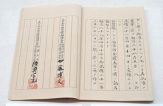
Treaty of Shimonoseki
Wikipedia
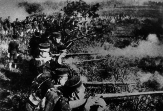
First Sino-Japanese War
Wikipedia
Qing Empire
Wikipedia
Fengtien
Wikipedia
Political divisions of China
Wikipedia

Pescadores Islands
Wikipedia
History of the administrative divisions of China
Wikipedia
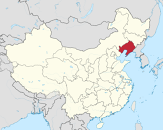
Fengtien
Wikipedia

Treaty of Shimonoseki
Wikipedia

First Sino-Japanese War
Wikipedia

Qing
Wikipedia

Liaoning
Wikipedia

Taiwan
Wikipedia

Penghu
Wikipedia

China
Wikipedia

Japan
Wikipedia

Korea
Wikipedia
Años 40 a. C.
Wikipedia

Longxi
Wikipedia

Dingxi
Wikipedia

Gansu
Wikipedia

Earthquake
Wikipedia
Richter scale
Wikipedia

Tiananmen Square
Wikipedia

Beijing
Wikipedia
1989 Tiananmen Square protests and massacre
Wikipedia

Hu Yaobang
Wikipedia

Itō Hirobumi
Wikipedia

Geschichte Japans
Wikipedia
Li Hongzhang
Wikipedia
History of China
Wikipedia

Shimonoseki
Wikipedia
Unequal treaties
Wikipedia
China
Wikipedia
What Else Happened on April 17
Vitellius claimed the Roman throne after his legions crushed Otho’s forces at the First Battle of Bedriacum. This victory ended the brief reign of the third emp…
A crown slipped off a dying king's head in 1080, but Harald III left behind a throne that felt like a trap for his nephew. Canute IV took over, not just to rule…
Hasan II fell to an assassin’s blade, extinguishing the Bavand dynasty’s seven-century hold over the Mazandaran region. This power vacuum allowed the rival Afra…
A single poisoned cup ended the Bavand rule in 1349. The ruler drank, choked, and died while his guards watched silently. Now the Afrasiyab family seized the th…
Teutonic knights breached the walls of Kaunas Castle after a brutal month-long siege, capturing the Lithuanian stronghold and seizing its commander, Vaidotas. T…
A poet named Chaucer didn't just read to King Richard II; he gambled his reputation on a ragtag group of pilgrims in 1397. While the court dined, Chaucer introd…
Talk to History
Have a conversation with historical figures who witnessed this era. Ask questions, explore perspectives, and bring history to life.