

Easter Rising Ignites: Irish Rebellion Against British Rule
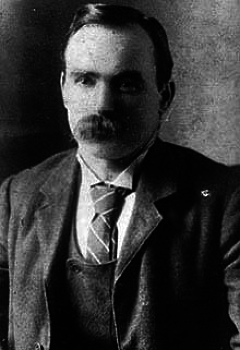
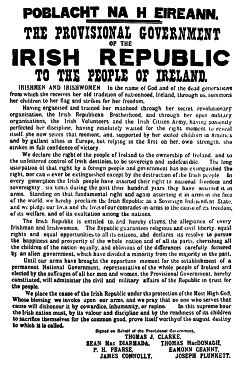
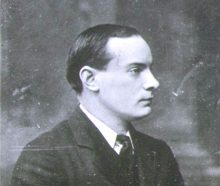
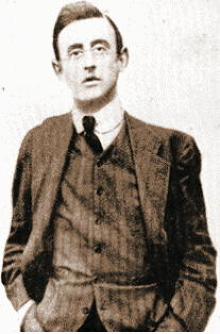
Irish nationalists seized key buildings in Dublin on April 24, 1916, during the Easter Rising, declaring an independent Irish Republic from the steps of the General Post Office. Patrick Pearse read the Proclamation of the Republic to a bewildered crowd. The rebels held out for six days against 16,000 British troops backed by artillery and a gunboat on the Liffey. The fighting killed 485 people, including 260 civilians. The Rising itself was a military failure, but British overreaction transformed public opinion. The execution of 16 rebel leaders by firing squad over ten days turned them into martyrs. James Connolly, too wounded to stand, was strapped to a chair and shot. Within five years, Ireland had won its independence.
April 24, 1916
110 years ago
Key Figures & Places

What Else Happened on April 24

Thutmose III ascended the Egyptian throne around 1479 BC as a child, but real power immediately passed to his stepmother and aunt, Hatshepsut, who declared hers…

The traditional date for the fall of Troy is April 24, 1184 BC, as calculated by the ancient Greek scholar Eratosthenes. Archaeological excavations at Hisarlik …
Ten years of siege, one wooden horse hiding two thousand Greeks. When the gates creaked open, Priam's palace burned and his sons fell by the sword. Helen walked…
Eratosthenes pinned 1183 BC as the day Greek ships burned twelve thousand men and women alive inside wooden walls. He didn't care about gods; he counted the dea…
Charles V's horse, Euphrosine, bolted right into a swamp, leaving the Emperor stranded in muddy water while his son-in-law, the Duke of Alba, charged straight t…
Mary, Queen of Scots, wed the Dauphin François at Notre Dame, uniting the French and Scottish crowns under a single Catholic alliance. This marriage intensified…
Talk to History
Have a conversation with historical figures who witnessed this era. Ask questions, explore perspectives, and bring history to life.