

Second Continental Congress Meets: The Revolution Gets a Government
Delegates from all thirteen colonies convened the Second Continental Congress in Philadelphia, weeks after the battles of Lexington and Concord made reconciliation with Britain unlikely. The Congress appointed George Washington commander of the Continental Army, authorized the printing of currency, and within fourteen months produced the Declaration of Independence.
May 10, 1775
251 years ago
Key Figures & Places
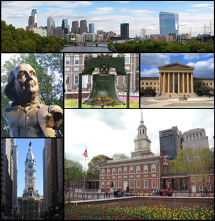
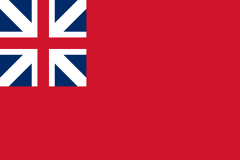
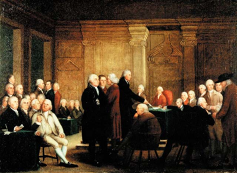
What Else Happened on May 10
The Han astronomers didn't call it a sunspot. They recorded a black vapor within the sun—specific enough to measure its position, detailed enough to date: 28 BC…
The Third Wall was unfinished—still under construction when Titus arrived with four legions and 80,000 men. Jerusalem's defenders had been arguing for months ab…
en la ciudad de Jerusalén (Israel), en el marco del sitio a la ciudad, el romano Tito, hijo del emperador Vespasiano, inicia un ataque completo contra la tercer…
élection du pape Agapet II.
en Córdoba (España) entran los generales Muyahidíes de Jairán.
Scottish nobles gathered at Norham to acknowledge Edward I as their feudal overlord, hoping he would settle the chaotic succession crisis following the death of…
Talk to History
Have a conversation with historical figures who witnessed this era. Ask questions, explore perspectives, and bring history to life.