

CDC Recognizes AIDS Epidemic: The Dawn of a Health Crisis
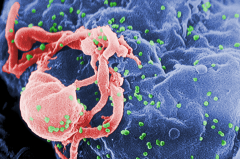
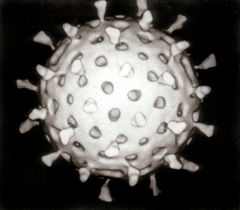
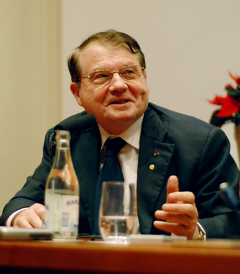
Two research teams independently identified the virus that causes AIDS on May 20, 1983. Luc Montagnier's group at the Pasteur Institute in Paris isolated a retrovirus they called LAV from a patient with swollen lymph nodes. Simultaneously, Robert Gallo's laboratory at the National Cancer Institute was working with a virus they called HTLV-III. A bitter priority dispute erupted between the two teams, eventually settled by a diplomatic agreement in 1987 that credited both. The virus was renamed HIV (Human Immunodeficiency Virus) in 1986. Montagnier and his colleague Francoise Barre-Sinoussi received the 2008 Nobel Prize; Gallo was controversially excluded. The identification of HIV enabled development of the blood test for screening (1985) and eventually antiretroviral therapies that transformed AIDS from a death sentence into a manageable chronic condition.
May 20, 1983
43 years ago
Key Figures & Places



What Else Happened on May 20
Constantine thought inviting 1,800 bishops would unify Christianity. Only 318 showed up to Nicaea, many bearing scars from recent Roman persecutions—missing eye…
A widow chose an emperor. When Zeno died of dysentery in 491, his wife Ariadne held something no Byzantine woman had possessed before: the right to pick the nex…
A massive earthquake leveled the Byzantine city of Antioch, claiming roughly 250,000 lives and shattering the region’s infrastructure. This catastrophe crippled…
King Ecgfrith brought the finest cavalry in Britain into a narrow valley near a Scottish loch. He'd conquered half of northern England by doing exactly this—ove…
He came to marry a princess and left without his head. Æthelberht II of East Anglia arrived at Sutton Walls expecting a wedding to Ælfthryth of Mercia. Instead,…
A seventy-year-old knight saved England by turning a medieval siege into a cavalry charge. William Marshal—already past any reasonable fighting age—led a relief…
Talk to History
Have a conversation with historical figures who witnessed this era. Ask questions, explore perspectives, and bring history to life.