

Iron Crown Placed: Napoleon Claims Italian Throne
Napoleon crowned himself King of Italy with the Iron Crown of Lombardy at Milan Cathedral on May 26, 1805. The crown, a gold band set with jewels and supposedly containing a nail from the True Cross, had been used to crown Lombard kings since the 6th century. Napoleon reportedly placed it on his own head and declared "Dio me la diede, guai a chi la tocca" (God gives it to me, woe to him who touches it). The coronation established the Kingdom of Italy as a French satellite state, with Napoleon's stepson Eugene de Beauharnais serving as viceroy. The kingdom lasted until 1814 and introduced the Napoleonic Code, metric system, and modern administrative structures to northern Italy, reforms that influenced Italian unification half a century later.
May 26, 1805
221 years ago
Key Figures & Places
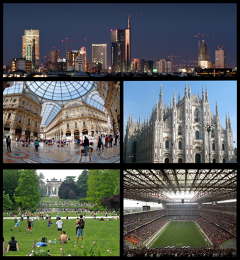
Milan
Wikipedia
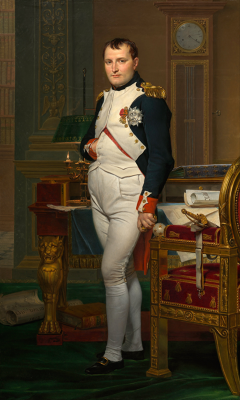
Napoleon
Wikipedia
Napoleon I of France
Wikipedia
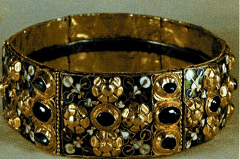
King of Italy
Wikipedia
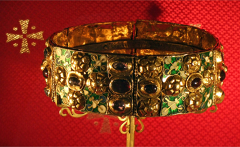
Iron Crown of Lombardy
Wikipedia
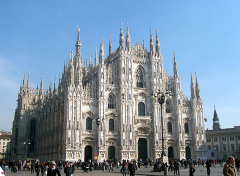
Duomo di Milano
Wikipedia
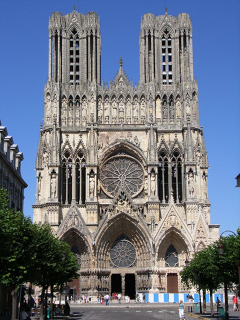
Gothic architecture
Wikipedia
Milan Cathedral
Wikipedia

Napoleon
Wikipedia

King of Italy
Wikipedia
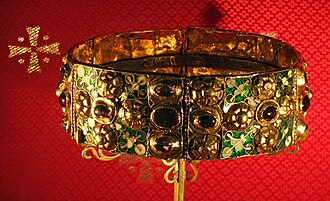
Iron Crown
Wikipedia

Milan Cathedral
Wikipedia

Gothic architecture
Wikipedia

Milan
Wikipedia

Italy
Wikipedia
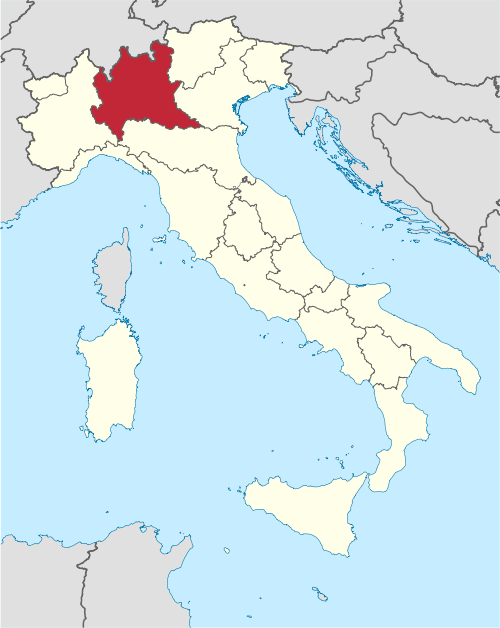
Lombard
Wikipedia

1401
Wikipedia

Beato
Wikipedia

Pistoie
Wikipedia

Coronation of Napoleon
Wikipedia

Lombards
Wikipedia
Liste des rois d'Italie
Wikipedia
What Else Happened on May 26
Cassius wanted to kill Caesar in Tarsus. Not on the Ides of March. Not in Rome. Here, in this dusty Cilician city where Caesar stopped to gather supplies before…
Germanicus paraded 50,000 captured Germans through Rome's streets, along with their chiefs in chains—tribes who'd annihilated three Roman legions just a decade …
The Armenians lost every tactical objective at Avarayr—outnumbered, outflanked, their commander Vardan Mamikonian dead on the field. But here's what's strange: …
Michael III crowned the man who would murder him. In 866, the Byzantine emperor elevated Basil—a peasant wrestler from Macedonia who'd charmed his way into the …
King Edmund I lunged at an outlaw during a feast at Pucklechurch, only to be stabbed to death by the man he sought to eject. His sudden demise triggered a succe…
King Edmund I wasn't killed in battle or poisoned by rivals. He died breaking up a brawl at a feast in Pucklechurch. The king recognized an outlaw named Leofa a…
Talk to History
Have a conversation with historical figures who witnessed this era. Ask questions, explore perspectives, and bring history to life.