

Dunkirk Evacuation: 330,000 Troops Saved From Certain Death
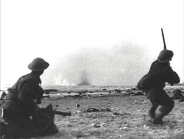
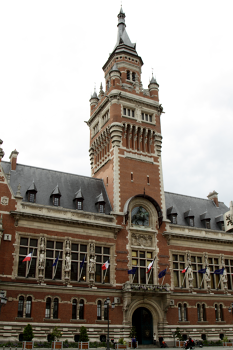
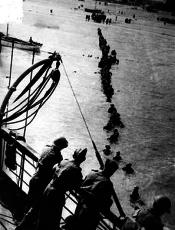
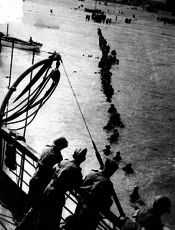
Operation Dynamo, the evacuation of Dunkirk, began on May 26, 1940, after the German advance trapped the British Expeditionary Force and French armies against the Channel coast. Over nine days, a fleet of 850 vessels, including Royal Navy destroyers, ferries, fishing boats, pleasure yachts, and lifeboats, evacuated 338,226 troops from the beaches and harbor. Churchill had expected to rescue 45,000 at most. The "little ships" of the civilian fleet became legendary, though most troops were actually lifted from the harbor mole by naval vessels. The British army left behind 68,000 dead, wounded, and captured, along with all their heavy equipment. Churchill warned Parliament that "wars are not won by evacuations" but the rescue preserved the trained soldiers who would form the core of the army that returned to France on D-Day.
May 26, 1940
86 years ago
Key Figures & Places

What Else Happened on May 26
Cassius wanted to kill Caesar in Tarsus. Not on the Ides of March. Not in Rome. Here, in this dusty Cilician city where Caesar stopped to gather supplies before…
Germanicus paraded 50,000 captured Germans through Rome's streets, along with their chiefs in chains—tribes who'd annihilated three Roman legions just a decade …
The Armenians lost every tactical objective at Avarayr—outnumbered, outflanked, their commander Vardan Mamikonian dead on the field. But here's what's strange: …
Michael III crowned the man who would murder him. In 866, the Byzantine emperor elevated Basil—a peasant wrestler from Macedonia who'd charmed his way into the …
King Edmund I lunged at an outlaw during a feast at Pucklechurch, only to be stabbed to death by the man he sought to eject. His sudden demise triggered a succe…
King Edmund I wasn't killed in battle or poisoned by rivals. He died breaking up a brawl at a feast in Pucklechurch. The king recognized an outlaw named Leofa a…
Talk to History
Have a conversation with historical figures who witnessed this era. Ask questions, explore perspectives, and bring history to life.