

Fundamental Orders Adopted: America's First Constitution
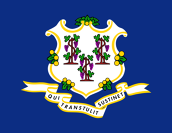
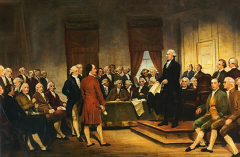
Thirteen farmers and merchants huddled in a tiny Connecticut meetinghouse, and accidentally invented modern democracy. Their Fundamental Orders weren't just legal text—they were a radical reimagining of governance, where ordinary men could define how they'd be ruled. No kings. No inherited power. Just neighbors agreeing on shared rules. And they did it decades before the U.S. Constitution, in a wilderness settlement where survival depended on collective decision-making. Pure pragmatic revolution, written in plain language by people who'd cross an ocean to create something different.
January 14, 1639
387 years ago
Key Figures & Places

What Else Happened on January 14
Nine French knights huddled in a drafty stone hall, swearing a radical vow of poverty. But these weren't ordinary monks. They'd protect Christian pilgrims in th…
A teenage bride from France, Eleanor arrived with silk gowns and a reputation for expensive taste. She'd bankrupt the royal treasury with lavish parties and imp…
The last male heir of Hungary's founding family died without a son. And just like that, three centuries of royal lineage vanished. The Árpád dynasty - which had…
A baker's son who'd become a theological powerhouse. Arnošt wasn't just climbing church ranks—he was rewriting them. When he secured Prague's first archbishopri…
A teenage Martin Luther walked into Erfurt with zero intention of becoming a religious radical. He'd arrive to study law, following his father's strict plan for…
Twelve words against an entire economic system. Pope Leo X's bull "Sublimis Dei" declared Indigenous peoples weren't subhuman—a radical stance when Spanish conq…
Talk to History
Have a conversation with historical figures who witnessed this era. Ask questions, explore perspectives, and bring history to life.