

Napoleon Exiled to Elba: Treaty Ends Napoleonic Wars
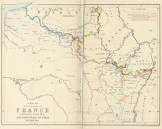
France and Britain signed the Treaty of Paris on May 30, 1814, restoring the French monarchy under Louis XVIII and setting France's borders to those of 1792, before the Revolutionary Wars. Napoleon was exiled to Elba with a personal guard and annual income. The treaty was remarkably lenient: France paid no war indemnity and retained most of its overseas colonies. This moderation reflected Talleyrand's diplomatic skill and the Allies' desire for a stable, moderate France that would not breed another revolution. The settlement lasted less than a year. Napoleon escaped from Elba in March 1815 and marched to Paris, beginning the Hundred Days. After Waterloo, the second Treaty of Paris imposed harsher terms, including an indemnity, territory losses, and a five-year military occupation.
May 30, 1814
212 years ago
Key Figures & Places
What Else Happened on May 30
Every tree within fifteen kilometres of Jerusalem. Gone. The Romans needed timber for their siege engines, and Titus didn't hesitate—ancient olive groves, orcha…
A tax collector named John Bampton demanded money from villagers in Brentwood, Essex—three times what they'd already paid. The men of Fobbing told him no. Just …
Jerome of Prague watched Jan Hus burn at the same council a year earlier, then recanted his own beliefs to save himself. Didn't work. He spent eleven months in …

English commanders stacked a tribunal with pro-English clerics to condemn Joan of Arc for heresy, violating ecclesiastical law by denying her legal counsel and …
Moderate Utraquist forces destroyed the radical Taborite army at Lipany, killing their leader Prokop the Great and ending twenty years of Hussite religious warf…
The rebellion lasted thirteen days. Prince Zhu Zhifan controlled China's northwest, claimed the throne his birthright, and commanded enough men to make Beijing …
Talk to History
Have a conversation with historical figures who witnessed this era. Ask questions, explore perspectives, and bring history to life.