

Native Americans Granted Citizenship: 1924 Act Recognizes Rights
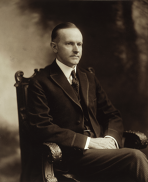
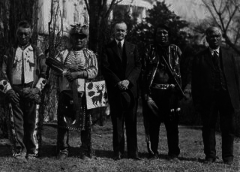
President Calvin Coolidge signed the Indian Citizenship Act on June 2, 1924, granting full US citizenship to all Native Americans born within the country's borders. Approximately two-thirds of Native Americans were already citizens through treaties, military service, or allotment programs. The remaining third, roughly 125,000 people, gained citizenship through this act. However, citizenship did not automatically confer voting rights, which were controlled by state governments. Several states, including Arizona, New Mexico, and Utah, continued to bar Native Americans from voting through literacy tests, poll taxes, and requirements that voters not be under federal "guardianship." Full voting rights were not effectively secured until the Voting Rights Act of 1965, and litigation over Native American voting access continues today.
June 2, 1924
102 years ago
Key Figures & Places
What Else Happened on June 2
Karl Nobiling didn't just shoot the Kaiser — he shot him twice, from a second-floor window in Berlin, loaded with birdshot. Wilhelm I was 81 years old and survi…
A teenage emperor grabbed a sword and marched into the street himself. Cao Mao, 20 years old, knew Sima Zhao controlled everything — the army, the court, his ow…
Vandal forces breached the walls of Rome, systematically stripping the city of its wealth and sacred treasures over fourteen days of relentless looting. This or…
The Caliphate of Córdoba was supposed to be untouchable. At its peak under Abd al-Rahman III, it was the most sophisticated state in Western Europe — libraries,…

Crusader forces under Bohemond of Taranto captured Antioch on June 3, 1098, after a seven-month siege during the First Crusade. The siege had reduced the Crusad…
Virginia's original charter didn't just claim a colony. It claimed a continent. Issued by James I in 1606 and expanded in 1609, the grant stretched from the Atl…
Talk to History
Have a conversation with historical figures who witnessed this era. Ask questions, explore perspectives, and bring history to life.