

US Leaves the Gold Standard: Congress Ends the Dollar's Metal Backing
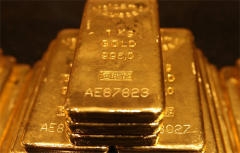
Congress enacted a joint resolution that stripped creditors of their right to demand gold payments, effectively severing the dollar's link to precious metal reserves. This move forced the U.S. economy to operate on fiat currency, granting the government unprecedented flexibility to devalue the dollar and stimulate recovery during the Great Depression.
June 5, 1933
93 years ago
Key Figures & Places
What Else Happened on June 5
en China se registra un fenómeno astronómico («tres llamas comieron el Sol») que podría tratarse de un eclipse solar.
Titus and his Roman legions shattered the middle wall of Jerusalem, trapping the city’s defenders within the inner sanctum of the Temple. This breach crippled t…
en Judea, el emperador Tito, acompañado de sus legiones romanas, superan la muralla defensiva central de Jerusalén.
A band of Frisian pagans ambushed and killed the Anglo-Saxon missionary Boniface near Dokkum, ending his campaign to convert the region to Christianity. His mar…
en Italia, Carlomagno ―después de asediar y tomar la ciudad de Pavía y capturar al rey lombardo Desiderio― se hace coronar «rex francorum et langobardorum» (‘re…
She was chosen from a lineup. Theophilos's mother paraded eligible women through the palace like a beauty contest — the "bride show" — and Theodora won. But The…
Talk to History
Have a conversation with historical figures who witnessed this era. Ask questions, explore perspectives, and bring history to life.