

Laki Erupts: Volcanic Haze Starves Europe for Seven Years
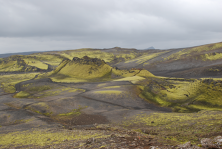
The Laki volcanic fissure in southeastern Iceland began erupting on June 8, 1783, and continued for eight months, producing an estimated 14 cubic kilometers of lava and massive quantities of sulfur dioxide and hydrofluoric acid. The volcanic haze drifted across Europe, creating a "dry fog" that dimmed the sun, killed crops, and poisoned livestock. In Iceland, 75% of livestock and 25% of the human population (approximately 9,000 people) died in the resulting famine. In England, the summer of 1783 was the hottest on record, followed by one of the coldest winters. The haze killed an estimated 23,000 people in Britain through respiratory disease. Some historians argue that the agricultural crisis caused by Laki's eruption contributed to the social unrest that preceded the French Revolution of 1789.
June 8, 1783
243 years ago
Key Figures & Places






What Else Happened on June 8
Galba was 70 years old when the Senate handed him Rome. Seventy. The oldest man to ever take the throne, and he knew it. He'd spent decades as a loyal general, …
The teenage priest Elagabalus, backed by his grandmother's gold and the loyalty of Syrian legions, defeated Emperor Macrinus outside Antioch after Macrinus's ow…
Attila the Hun breached the Alps and descended upon northern Italy, systematically dismantling cities like Aquileia to force a Roman surrender. This campaign cr…

Abu Bakr al-Siddiq became the first Caliph (successor) of Islam following the death of the Prophet Muhammad on June 8, 632 AD. His selection was contentious: Al…
The monks never saw them coming — because no one thought the sea was a threat. Lindisfarne's abbey sat on a tidal island off Northumbria's coast, seemingly prot…
Harthacnut collapsed and died during a wedding feast, ending his brief, unpopular reign over England. His sudden death triggered an immediate succession crisis …
Talk to History
Have a conversation with historical figures who witnessed this era. Ask questions, explore perspectives, and bring history to life.