

Japan Shells Sydney: War Reaches Australian Shores
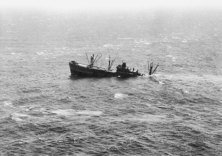
Japanese midget submarines entered Sydney Harbour on the night of May 31-June 1, 1942, and Japanese submarines I-21 and I-24 shelled the Sydney and Newcastle coastlines on June 8, 1942. The shelling caused minimal physical damage: approximately 30 shells were fired at industrial targets, with most falling in residential areas or the ocean. One shell struck a house, injuring a couple sleeping inside. The psychological impact far exceeded the physical damage: the attacks shattered the widespread belief that Australia was beyond the reach of enemy forces. The government accelerated military mobilization, including conscription for home defense, and deepened Australia's alliance with the United States. The midget submarine attacks two nights earlier had already killed 21 sailors when a torpedo struck the depot ship HMAS Kuttabul.
June 8, 1942
84 years ago
Key Figures & Places





What Else Happened on June 8
Galba was 70 years old when the Senate handed him Rome. Seventy. The oldest man to ever take the throne, and he knew it. He'd spent decades as a loyal general, …
The teenage priest Elagabalus, backed by his grandmother's gold and the loyalty of Syrian legions, defeated Emperor Macrinus outside Antioch after Macrinus's ow…
Attila the Hun breached the Alps and descended upon northern Italy, systematically dismantling cities like Aquileia to force a Roman surrender. This campaign cr…

Abu Bakr al-Siddiq became the first Caliph (successor) of Islam following the death of the Prophet Muhammad on June 8, 632 AD. His selection was contentious: Al…
The monks never saw them coming — because no one thought the sea was a threat. Lindisfarne's abbey sat on a tidal island off Northumbria's coast, seemingly prot…
Harthacnut collapsed and died during a wedding feast, ending his brief, unpopular reign over England. His sudden death triggered an immediate succession crisis …
Talk to History
Have a conversation with historical figures who witnessed this era. Ask questions, explore perspectives, and bring history to life.