

Washington Named Commander-in-Chief: The Revolution Gets Its General
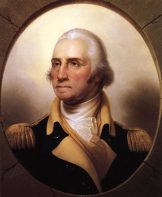
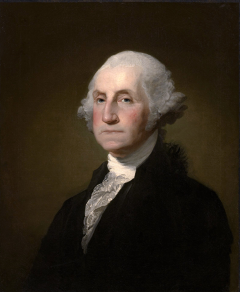
The Continental Congress appointed George Washington as commander-in-chief of the Continental Army, choosing a Virginia planter whose military reputation and Southern origin could unite the colonies. Washington's acceptance without pay signaled the personal sacrifice that would define his leadership through eight years of war and transform him into the indispensable figure of American independence.
June 15, 1775
251 years ago
Key Figures & Places
What Else Happened on June 15
Assyrian astronomers recorded a total solar eclipse on June 15, 763 BC, noting the event in the limmu lists of King Ashur-dan III. This precise observation prov…
en Oriente Próximo se registra un eclipse solar usado actualmente para establecer la cronología del Antiguo Oriente Próximo. «En aquel día ―dice el Señor Sobera…
César vainqueur à Zéla.
Pope Sergius II anointed Louis II as King of Italy in Rome, formalizing the Carolingian grip on the Italian peninsula. This coronation solidified the alliance b…
Robert I won the battle and still lost everything. He defeated Charles the Simple's forces at Soissons in 923, then took an arrow or sword blow — accounts disag…
Das von den islamischen Almoraviden eingenommene Valencia wird von El Cid zurückerobert. Bis zu seinem Tod fünf Jahre später hält er die Region für das christli…
Talk to History
Have a conversation with historical figures who witnessed this era. Ask questions, explore perspectives, and bring history to life.