

France Surrenders to Germany: Hitler Forces the Signing at Compiegne for Revenge
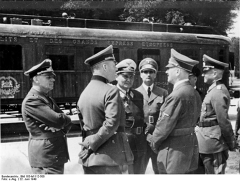
Hitler forced France to sign their surrender in the exact same rail carriage where Germany capitulated in 1918, sitting in Marshal Foch's chair before storming out to let General Keitel finish the deal. This calculated humiliation reversed the roles of 1918, yet French negotiators secretly inserted clauses preventing harsh occupation of North-West France and forbidding the use of the armistice as a tool for further degradation.
June 22, 1940
86 years ago
Key Figures & Places
What Else Happened on June 22
en Egipto, Eratóstenes midió por primera vez la circunferencia de la Tierra.

Ptolemy IV deployed 20,000 native Egyptian soldiers alongside his Greek troops to defeat Antiochus III's larger Seleucid army at Raphia, preserving Egyptian con…

Perseus had 44,000 men and the most feared infantry formation in the ancient world — the Macedonian phalanx. He lost anyway, in about an hour. Aemilius Paullus …
Nach der vergeblichen Belagerung von Ktesiphon während des Feldzugs des römischen Kaisers Julian gegen die Sassaniden kommt es zur Schlacht von Maranga, die une…
Bishops gathered in Ephesus to condemn Nestorius, formalizing the doctrine that Mary should be venerated as Theotokos, or Mother of God. This theological ruling…
second serment d'allégeance d'al-Aqaba.[réf. nécessaire]
Talk to History
Have a conversation with historical figures who witnessed this era. Ask questions, explore perspectives, and bring history to life.