

Custer's Last Stand: Native Tribes Crush U.S. Army
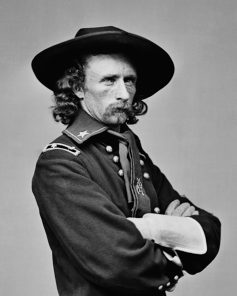
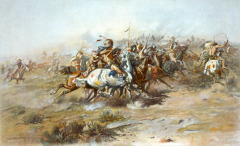
Lakota, Northern Cheyenne, and Arapaho warriors annihilated five companies of the 7th Cavalry at the Battle of the Little Bighorn on June 25, 1876, killing Lieutenant Colonel George Armstrong Custer and approximately 268 soldiers. The Native American force, estimated at 1,500 to 2,000 warriors led by Crazy Horse and inspired by Sitting Bull's vision of soldiers falling from the sky, outnumbered Custer's divided command. Custer had split his regiment into three groups and attacked without reconnaissance. The battle lasted roughly two hours. Every soldier in Custer's immediate command was killed. The victory was pyrrhic: the US Army responded by flooding the region with troops, and within two years most Lakota and Cheyenne bands had been forced onto reservations. The battlefield is now a National Monument visited by 400,000 people annually.
June 25, 1876
150 years ago
Key Figures & Places
What Else Happened on June 25
The Burgundians thought they had allies. They didn't. At Vézeronce in 524, the Frankish forces under Chlodomer's brothers crushed the Burgundian army — but Chlo…
The Burgundians crushed the Frankish army at the Battle of Vézeronce, securing a temporary reprieve for their kingdom against Merovingian expansion. This victor…
Three brothers tore the Carolingian Empire apart in a single afternoon. At Fontenay-en-Puisaye, Charles the Bald and Louis the German crushed Lothair I's forces…
Venetian galleys destroyed a larger Genoese fleet at the Battle of Acre during the War of Saint Sabas, a conflict between Italian merchant republics over commer…
Authorities in Schaffhausen tortured and executed thirty Jewish residents after accusing them of the blood libel, the false charge that Jews murdered Christian …
Seven German princes handed Charles V a document that was supposed to get them burned. Melanchthon wrote it — not Luther, who was banned from Augsburg entirely,…
Talk to History
Have a conversation with historical figures who witnessed this era. Ask questions, explore perspectives, and bring history to life.