

Ottomans Crush Serbia at Kosovo: Balkans Fall Open
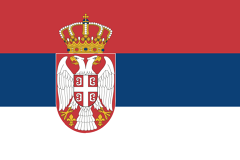
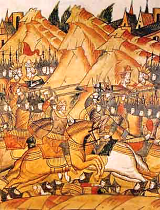
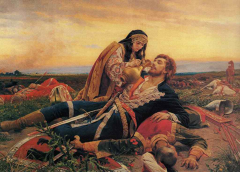
Ottoman forces under Sultan Murad I defeated a Serbian-led coalition under Prince Lazar Hrebeljanovic at the Battle of Kosovo on June 28, 1389 (June 15 in the Julian calendar). Both leaders were killed: Lazar was captured and beheaded, and Murad was assassinated in his tent by a Serbian knight, Milos Obilic, who pretended to surrender. The battle's military outcome was ambiguous (both armies suffered devastating losses), but its political consequences were clear: Serbia gradually fell under Ottoman control over the next 70 years. The battle became the foundational myth of Serbian national identity, commemorated in epic poetry and folk songs. Vidovdan (St. Vitus' Day, June 28) became Serbia's most sacred national holiday. The date's significance partly explains why Gavrilo Princip chose June 28, 1914, to assassinate Archduke Franz Ferdinand in Sarajevo.
June 28, 1389
637 years ago
Key Figures & Places

What Else Happened on June 28
Crusader forces broke the siege of Antioch by routing Kerbogha’s army in a decisive field battle. This victory shattered the coalition of local Muslim rulers an…
Muhammed VI seized the Nasrid throne in Granada by orchestrating the assassination of his brother-in-law, Ismail II. This violent coup fractured the ruling dyna…
Edward wasn't supposed to be king. His father died at Wakefield without ever wearing the crown, and Henry VI still sat on the throne when nineteen-year-old Edwa…
Edward wasn't supposed to be king. He was 18 years old, six-foot-four, and had just watched his father's severed head get mounted on the gates of York with a pa…
France's outnumbered army crushed the Neapolitans and Spanish at Seminara in 1495, and the humiliation hit Gonzalo de Córdoba hard. He'd commanded that losing s…
Charles V secured the title of Holy Roman Emperor after bribing the prince-electors with massive loans from the Fugger banking family. This victory consolidated…
Talk to History
Have a conversation with historical figures who witnessed this era. Ask questions, explore perspectives, and bring history to life.