

Leningrad Liberated: 900-Day Siege of Starvation Ends
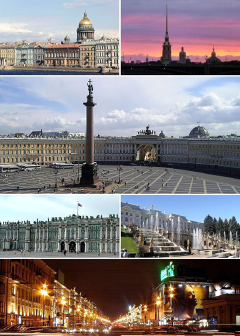
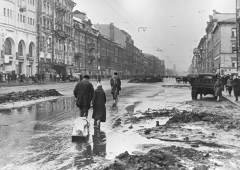
Soviet forces broke through the German blockade on January 27, 1944, ending a siege that had lasted 872 days and killed roughly one million civilians. The death toll dwarfs any other siege in recorded history. Leningraders survived by eating wallpaper paste, boiled leather, sawdust bread, and in documented cases, human flesh. The city's water supply froze, forcing residents to haul buckets from the Neva River through streets littered with unburied corpses. Despite the horror, factories continued producing tanks and ammunition. Shostakovich's Seventh Symphony was performed by a starving orchestra in the besieged city and broadcast by loudspeaker to demoralize German troops. Hitler had planned to raze Leningrad entirely and turn the site into an artificial lake. The city's refusal to surrender became the Soviet Union's most powerful symbol of resistance against fascism.
January 18, 1944
82 years ago
Key Figures & Places


What Else Happened on January 18
Roman aristocrats in Gaul proclaimed General Magnentius emperor, directly challenging the unpopular rule of Constans. This usurpation triggered a brutal civil w…
The emperor's own bodyguard turned assassin. Magnentius, a burly Frankish general with a reputation for brutality, didn't just overthrow Constans—he murdered hi…
A seven-year-old emperor? Barely old enough to read, yet wearing imperial purple. Leo II inherited the Byzantine throne through pure bloodline, but his moment o…
The Byzantine emperor's back was against the wall. Justinian I faced total overthrow as chariot racing fans—divided into rival "Blue" and "Green" fan factions—s…
Emperor Huizong abdicated the Song Dynasty throne to his son, Qinzong, in a desperate attempt to shift responsibility for the encroaching Jurchen Jin army. This…
A wedding to end a war. Elizabeth wore white silk—rare then—and the court held its breath. This wasn't just a marriage; it was a human truce that would close th…
Talk to History
Have a conversation with historical figures who witnessed this era. Ask questions, explore perspectives, and bring history to life.