

Sitting Bull Surrenders: End of Sioux Resistance
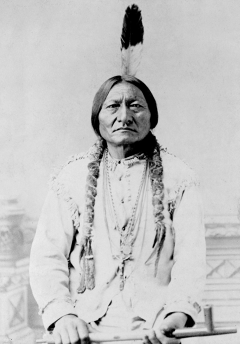
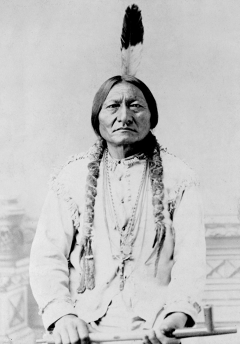
Sitting Bull led the last band of free Sioux across the Canadian border in 1877 after the Battle of the Little Bighorn made him the most wanted man in the American West. He spent four years in exile in Saskatchewan, but dwindling buffalo herds and Canadian indifference to his people's suffering forced his hand. On July 20, 1881, he surrendered at Fort Buford with 186 followers, the last significant group of Sioux to submit to reservation life. The U.S. government imprisoned him at Fort Randall for two years before sending him to the Standing Rock Reservation. He was killed by Indian police during the Ghost Dance movement in 1890, nine years after his surrender.
July 20, 1881
145 years ago
Key Figures & Places

What Else Happened on July 20
The fortress fell in July, but Titus's 60,000 legionaries found themselves trapped in Jerusalem's narrow streets. Zealot fighters turned every alley into an amb…
Kardam of Bulgaria crushed the Byzantine army at the Battle of Marcellae, forcing Emperor Constantine VI to pay annual tribute to the Bulgarian state. This humi…
The Viking warlord who'd terrorized France for three decades stood at Chartres' gates in July 911, starving out a city that refused to surrender. Rollo had burn…
Richard couldn't speak French when he became Duke of Normandy on July 20, 1189. Didn't matter. The 31-year-old had spent most of his life in Aquitaine, his moth…
Holy Roman Emperor Frederick II and Pope Gregory IX ended their bitter feud by signing the Treaty of San Germano, brokered by the Dominican friar Guala. This ag…
The garrison surrendered after three months of siege, but Edward I refused to accept. He'd spent £40 building a massive trebuchet called "War Wolf" and wanted t…
Talk to History
Have a conversation with historical figures who witnessed this era. Ask questions, explore perspectives, and bring history to life.