

Constantine Proclaimed: The Rise of Christian Rome
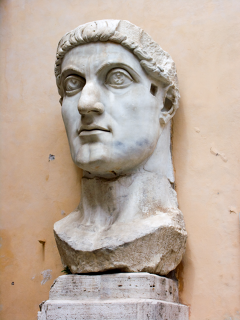
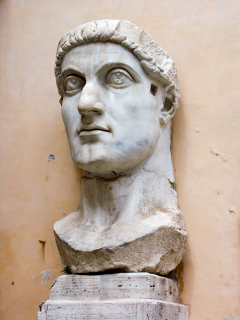
When Roman troops in York acclaimed Constantine as emperor on July 25, 306 AD, after his father Constantius died, he was one of six men claiming the imperial title. It took eighteen years of civil war before he eliminated all rivals. The turning point came at the Battle of the Milvian Bridge in 312, where Constantine reportedly saw a Christian symbol in the sky and ordered his soldiers to paint it on their shields. Whether the vision was genuine or politically calculated, Constantine became the first Roman emperor to embrace Christianity, issuing the Edict of Milan in 313 to legalize the faith. He moved the capital east to Byzantium, renaming it Constantinople, shifting the empire's center of gravity for a thousand years.
July 25, 306
1720 years ago
Key Figures & Places


What Else Happened on July 25
Diocletian elevated his fellow soldier Maximian to the rank of Caesar, splitting the Roman Empire into eastern and western administrative halves. This pragmatic…
The Senate built Constantine's victory arch by stealing from older monuments. Trajan's sculptures, Hadrian's medallions, Marcus Aurelius's panels—all pried loos…
The Slavs brought siege towers taller than the city's double walls. For three days in 677, they hurled themselves at Thessalonica's defenses—the Byzantine Empir…
Charles the Bald issued the Edict of Pistres, mandating the construction of fortified bridges across the Seine and other major rivers to block Viking longships …
Wang Geon seized the throne to establish the Goryeo Dynasty after his soldiers deposed the erratic King Gung Ye. This transition unified the Korean Peninsula un…
She was fifteen and owned more land than her groom's father. Eleanor of Aquitaine brought Aquitaine and Poitou to her July 25th wedding—roughly a third of moder…
Talk to History
Have a conversation with historical figures who witnessed this era. Ask questions, explore perspectives, and bring history to life.