

Battle of Pliska: Byzantine Emperor Killed, Skull Made into a Drinking Cup
Khan Krum turned Nikephoros I's skull into a drinking cup lined with silver. The Byzantine emperor had ignored warnings, pushed 80,000 troops deep into Bulgarian territory, and sacked Pliska on July 20, 811. But Krum trapped the entire army in a mountain pass during their retreat. Three days of slaughter. Nikephoros died alongside most of his men. His son Staurakios survived with a severed spine, ruled paralyzed for two months, then abdicated. Krum reportedly toasted visiting chieftains from his enemy's head for years afterward.
July 26, 811
1215 years ago
Key Figures & Places
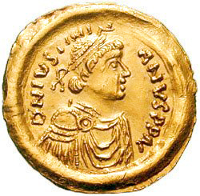
Byzantine Empire
Wikipedia
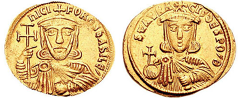
Staurakios
Wikipedia
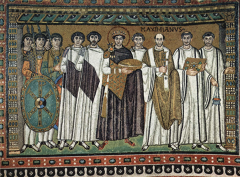
Emperor
Wikipedia
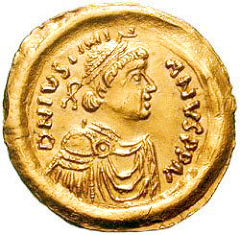
Byzantine
Wikipedia
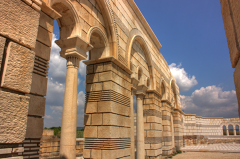
Battle of Pliska
Wikipedia
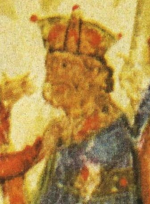
Nicephorus I
Wikipedia
Stauracius
Wikipedia
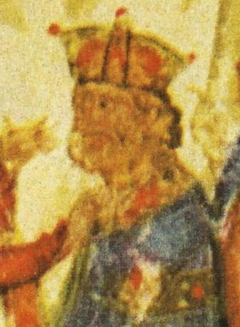
Nikephoros I
Wikipedia

Byzantine Empire
Wikipedia

List of Byzantine emperors
Wikipedia

Constantinople
Wikipedia

Staurakios
Wikipedia

Krum
Wikipedia

Nikephoros I
Wikipedia

Battle of Pliska
Wikipedia
Khan (title)
Wikipedia

Histoire de la Bulgarie
Wikipedia
What Else Happened on July 26
K'inich Janaab' Pakal Ier dit Pakal monte sur le trône de Palenque.
Ninety thousand Muslims faced each other across the Euphrates near Siffin, cousin against cousin. Ali ibn Abu Talib, the Prophet's son-in-law and fourth caliph,…
Muslim forces under the Emirate of Córdoba crushed a coalition of Christian troops from Navarre and Léon at the Battle of Valdejunquera. This decisive victory r…

Afonso Henriques commanded maybe 1,000 men against Ali ibn Yusuf's force—sources claim anywhere from 5,000 to 200,000 Almoravid fighters, though medieval chroni…
A medieval banquet hall at Henry VI's Hoftag suddenly collapsed on July 26, 1184, sending dozens of gathered nobles plunging into open sewage pits below. The tr…
Pope Clement V formally recognized Henry VII as King of the Romans, ending a period of imperial vacancy that had paralyzed central European politics. This papal…
Talk to History
Have a conversation with historical figures who witnessed this era. Ask questions, explore perspectives, and bring history to life.