

Iran Hostages Freed: 444 Days of Crisis Ends
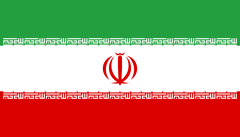
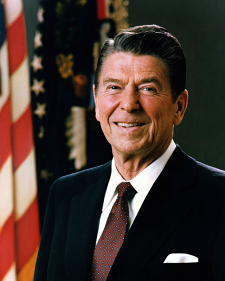
Iranian students stormed the US Embassy in Tehran on November 4, 1979, seizing sixty-six Americans and demanding the Shah's return for trial. The hostage crisis consumed the final fourteen months of Jimmy Carter's presidency. A rescue attempt, Operation Eagle Claw, ended in disaster in the Iranian desert when a helicopter collided with a transport plane, killing eight servicemen. Secretary of State Cyrus Vance resigned in protest over the mission. The hostages were subjected to mock executions, solitary confinement, and constant psychological pressure. Iran released them on January 20, 1981, minutes after Ronald Reagan was sworn in as president, a timing calculated to deliver a final humiliation to Carter. The 444-day ordeal shattered American confidence in its global standing and permanently poisoned relations between Washington and Tehran.
January 20, 1981
45 years ago
Key Figures & Places
What Else Happened on January 20
Pope Fabian died under the sword during Emperor Decius’s systematic purge of Christians, becoming one of the first high-profile casualties of the Roman state’s …
The Roman Empire didn't just dislike Christians—it wanted to crush them completely. Decius demanded every citizen perform a sacrifice to Roman gods, presenting …
King Chindasuinth crowned his son Recceswinth as co-ruler of the Visigothic Kingdom at the urging of Bishop Braulio of Zaragoza, securing a smooth dynastic succ…
Lalli, a Finnish peasant, struck down Bishop Henry on the frozen surface of Lake Köyliö after a dispute over food and hospitality. This act of violence transfor…
Simon de Montfort convened the first English parliament to include representatives from major towns alongside the traditional nobility at the Palace of Westmins…

Simon de Montfort wasn't playing politics—he was staging a revolution. Dragging 23 knights and burgesses into Westminster, he created something radical: a gover…
Talk to History
Have a conversation with historical figures who witnessed this era. Ask questions, explore perspectives, and bring history to life.