

Plague Identified: Kitasato Isolates Deadly Bacterium
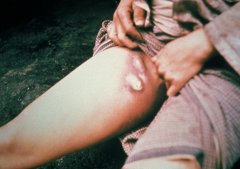
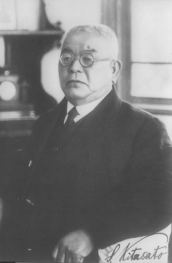
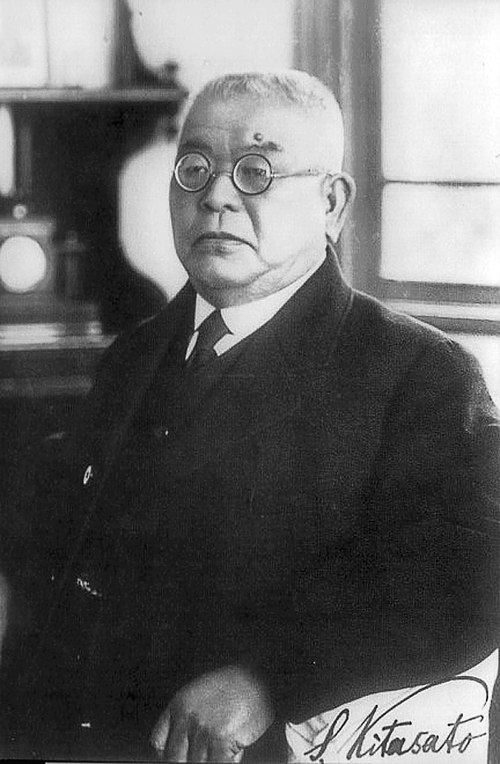
Kitasato Shibasaburo and Alexandre Yersin independently isolated the bacterium responsible for bubonic plague in Hong Kong in June 1894 during a devastating epidemic. Kitasato, trained by Robert Koch in Berlin, published first in The Lancet on August 25, though his initial cultures may have been contaminated with pneumococci. Yersin, a student of Louis Pasteur, isolated a purer sample and correctly identified the bacillus as the cause of plague. The organism was eventually named Yersinia pestis in Yersin's honor. The identification of the pathogen was the critical first step toward understanding how plague spread, leading to the discovery that fleas on rats were the primary vector and enabling targeted public health interventions that saved millions of lives.
August 25, 1894
132 years ago
Key Figures & Places


What Else Happened on August 25

Caesar Julian, a 25-year-old scholar whom Emperor Constantius II had appointed as a figurehead governor of Gaul, led 13,000 Roman legionaries against a confeder…
Emperor Constantine V publicly humiliated nineteen high-ranking officials upon uncovering a conspiracy, then executed the ringleaders Constantine Podopagouros a…
The Archbishop of Utrecht granted the Dutch settlement of Ommen official city and fortification rights, elevating it from a rural hamlet to a recognized urban c…
August 25, 1258. George Mouzalon had served as regent for the young Emperor John IV Laskaris of Nicaea — the Byzantine rump state established after Constantinop…
Philip III ascended the French throne while stricken by dysentery during the Eighth Crusade, leaving his uncle Charles I of Naples to force peace talks with the…
The Honourable Artillery Company was granted a royal charter by Henry VIII on August 25, 1537. It is the oldest surviving regiment in the British Army — 488 yea…
Talk to History
Have a conversation with historical figures who witnessed this era. Ask questions, explore perspectives, and bring history to life.