

Battle of Durnkrut: Rudolf of Habsburg Defeats Ottokar of Bohemia
Ottokar II of Bohemia had built the largest kingdom in Central Europe over thirty years of war, diplomacy, and inheritance. He controlled Bohemia, Austria, Styria, Carinthia, and Carniola. Then Rudolf I of Germany and Ladislaus IV of Hungary came at him together at Marchfield in 1278, and within hours it was over. Ottokar died on the battlefield. His empire was dismantled. The Habsburgs picked up most of the pieces, starting an Austrian dynasty that would last another six centuries.
August 26, 1278
748 years ago
Key Figures & Places
Bohemia
Wikipedia
Moravia
Wikipedia
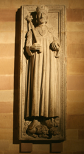
Rudolph I of Germany
Wikipedia
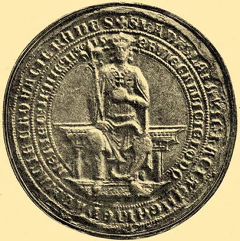
Ladislaus IV of Hungary
Wikipedia
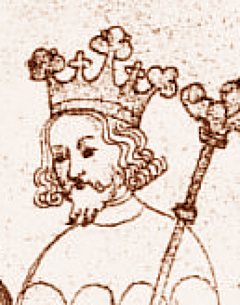
Premysl Ottokar II
Wikipedia
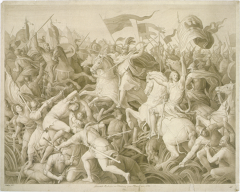
Battle of Marchfield
Wikipedia
Dürnkrut
Wikipedia
Dürnkrut
Wikipedia

King of the Romans
Wikipedia

Kingdom of Bohemia
Wikipedia

Moravia
Wikipedia

Bohemia
Wikipedia

Rudolf I of Germany
Wikipedia

Ladislaus IV of Hungary
Wikipedia

Ottokar II of Bohemia
Wikipedia

Battle on the Marchfeld
Wikipedia

Dürnkrut, Austria
Wikipedia

1230
Wikipedia
What Else Happened on August 26
Gaius Iulius Caesar führt seinen ersten Feldzug in Britannien.
Yazid I’s Syrian army crushed the Medinan resistance at the Battle of al-Harrah, slaughtering thousands of the city’s inhabitants and soldiers. This brutal vict…
Alp Arslan’s Seljuk forces crushed the Byzantine army at Manzikert, capturing Emperor Romanos IV Diogenes on the battlefield. This collapse shattered Byzantine …
Seljuq Turks shatter the Byzantine army at Manzikert, seizing control of most of Anatolia within a generation. This military collapse forces the Byzantine Empir…
en Montpellier, Jaime I de Aragón, ratifica en testamento las donaciones a sus hijos Pedro y Jaime: la baronía de Ayerbe para el primero, y la de Jérica para el…
The Rajput fortress of Chittorgarh fell to Alauddin Khalji's Delhi Sultanate army in 1303 after an eight-month siege, leading to one of the first recorded insta…
Talk to History
Have a conversation with historical figures who witnessed this era. Ask questions, explore perspectives, and bring history to life.