

Emperor Nepos Flees: Orestes Seizes Western Rome
The Roman general Orestes, himself of Germanic origin, marched on Ravenna on August 28, 475 AD, forcing Western Emperor Julius Nepos to flee across the Adriatic to Dalmatia. Orestes then placed his teenage son Romulus on the imperial throne, a boy so young that contemporaries mockingly added the diminutive "Augustulus" (little Augustus) to his name. Orestes refused to give the Germanic troops one-third of Italy's land as they demanded. Within a year, the soldiers mutinied under Odoacer, killed Orestes, and deposed Romulus on September 4, 476, a date traditionally cited as the fall of the Western Roman Empire. Romulus was spared and given a pension. The empire ended not with a dramatic collapse but with a quiet retirement.
August 28, 475
1551 years ago
Key Figures & Places
Roman Empire
Wikipedia
Roman Emperors
Wikipedia
General
Wikipedia
Ravenna
Wikipedia
Orestes (Roman soldier)
Wikipedia
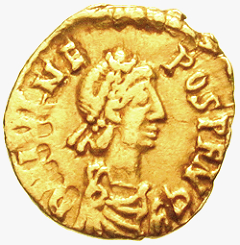
Julius Nepos
Wikipedia

capital city
Wikipedia

Roman Empire
Wikipedia
Orestes (father of Romulus Augustulus)
Wikipedia

Roman emperor
Wikipedia

Julius Nepos
Wikipedia

Capital city
Wikipedia

Ravenna
Wikipedia

Western Roman Empire
Wikipedia

Romulus Augustulus
Wikipedia

Germanic peoples
Wikipedia

Orestes
Wikipedia

Rome
Wikipedia
What Else Happened on August 28
Theodoric the Great crossed the Julian Alps into Italy in 489 AD with an Ostrogothic army and beat Odoacer — the man who had deposed the last Western Roman Empe…
Fatimah's death in 632 AD ignited an immediate rift over succession that split Islam into Sunni and Shia branches. Her passing triggered decades of debate regar…
The combined Silla and Tang Dynasty fleet crushed the forces of Baekje and their Japanese (Yamato) allies at the naval Battle of Baekgang, destroying over 400 Y…
Guy of Lusignan launched the Siege of Acre, pinning his forces against the formidable walls of the Ayyubid stronghold. This grueling two-year investment forced …
The Black Death reached Mainz in 1349, and the Jewish community was accused of causing it by poisoning wells. This was the standard accusation across Europe tha…
Portugal seized Malacca in 1511, and it mattered more than most sixteenth-century conquests because Malacca controlled the strait through which most of Asia's m…
Talk to History
Have a conversation with historical figures who witnessed this era. Ask questions, explore perspectives, and bring history to life.